A Sincere Conversation With A Yoga Pioneer

Manouchehr Alborzi
“Outwardly, the human being is a branch of the world,
And from the qualities, the essence of the world—know this.
His outward form may be turned by even a tiny gnat,
But his inner being encompasses the seven spheres.”
The Master of Love, Rumi
Part 2:
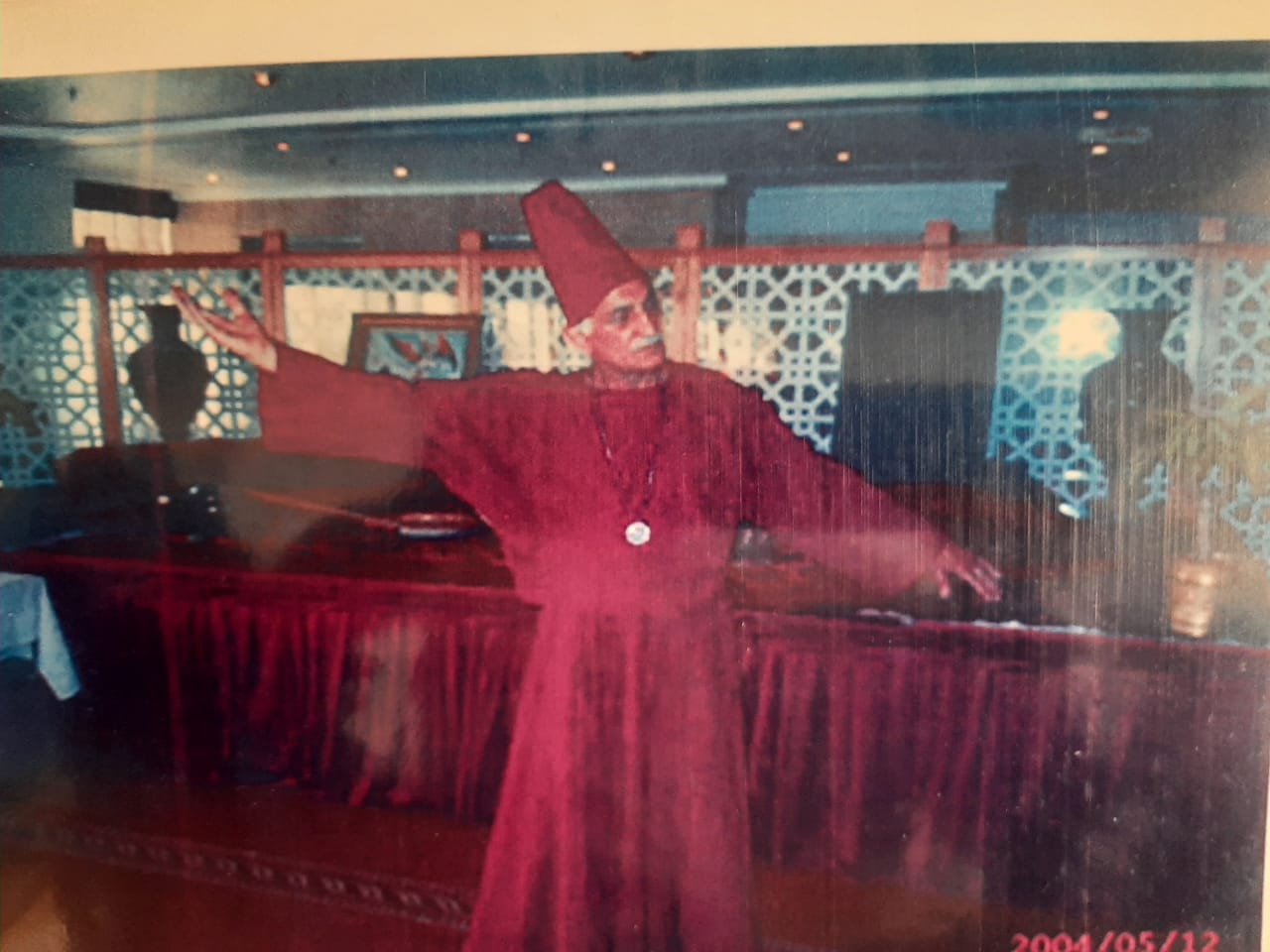
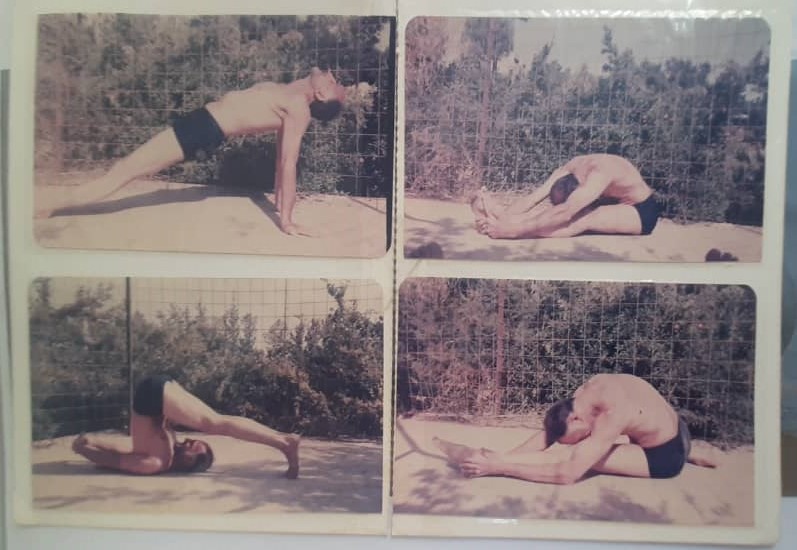
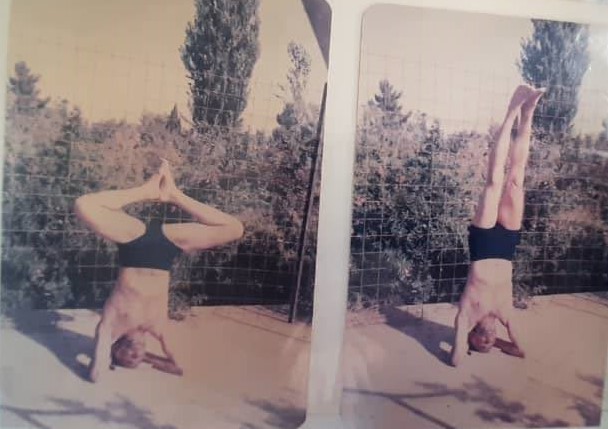
In the following, we continue with an intimate conversation with the yoga veteran, Engineer Manouchehr Alborzi, who has devoted about 50 years of his life to learning and then teaching yoga.

Q11. How familiar is today’s society with the true philosophy of yoga, In your opinion?
A11. In fact, even many yogis themselves are not very familiar with the philosophy of yoga to be aware of the Upanishads, Kriya Yoga, the Mahabharata, the Vedas, or the Sutras, and perhaps only a handful of people have truly worked in these areas.
Before the year 1979, when Mr. Majid Mowghar—the founder of modern yoga In Iran—was active, there was no conflict between yoga and Iranian society. But after 1979, yoga was not well known in society, and until 1998 when the Yoga Association was established, there was resistance in the Islamic society toward accepting yoga. Eventually, the Yoga Association succeeded in introducing yoga as a sport, so that at the right time, the philosophy of yoga could also become understandable to society.
Q12. Do you think yoga can help improve human relationships and social peace? How?
A12. The nature of yoga is to bring calmness, and it is highly effective in improving human and social relationships. Women have been pioneers in yoga, while men—being the breadwinners—can usually attend only late-night classes. We hope that in the near future, yoga will be welcomed on a broader scale in Iran, just as it has been in other countries, and that yoga, through meditation and creating tranquility in society, can take the lead—much like China, which through its Tai Chi practices has been able to keep its people balanced and calm, increasing work efficiency, reducing illness, anger, and distress, and allowing people to live together with great harmony and productivity.
Q13. What is your recommendation for people who are just beginning yoga?
A13. We ask beginners to fill out a questionnaire about their motivation for starting yoga and whether they have any illnesses or take medication. Most say they start yoga for its calming effects. My recommendation is that they remain consistent in their path—whether their own path or the path of yoga—so they can benefit from its results.
Q14. What qualities should a person cultivate to progress in yoga?
A14. The greatest secret to progress in yoga is repeating the movements outside of class and at home, along with self-discipline or behavioral discipline. Otherwise, with just two days of class per week, real progress will not be achieved.
Q15. What is your wish for the future of yoga In Iran or the world?
A15. Since strong limitations are imposed on yoga in religious and Islamic countries, I hope this issue gradually improves so that all countries can experience yoga—which brings balance, peace, and well-being to society—equally and in complete freedom.
In the following, some specialized questions were asked from Master Alborzi about fundamental topics of yoga, and his answers are presented below.
Q16. How do you define the relationship between pranayama (controlled breathing) and mental states?
A16. Pranayama Is the turning point of yoga—it means the life force. If you ask many yoga instructors what pranayama is, they say it is breathing that Is done consciously in different forms. But this is not correct. The correct definition is that prana is the vital energy that causes breathing, seeing, hearing, thinking, reflection, and thousands of internal body functions. Prana influences everything within us and all our organs, and the more consciously it is practiced, combined with breathing techniques and meditation, the more powerful its effects will be.
Q17. What differences do you see between traditional and modern yoga asana practices?
A17. The foundation of yoga postures (asanas) is the same for all styles, but over time, with the preferences of various instructors, changes have been made to different styles. The original asanas always remain as they are, and essentially there is no difference; they continue to bring their positive effects on flexibility, skill, and balance in life.
Q18. How important is meditation (dhyana) in completing a yoga practice?
A18. It depends on the instructor’s preference. Meditation can be placed at the beginning or end of a session. What is certain is that someone who practices Hatha Yoga must also practice Raja Yoga—even if just for five minutes. For beginners, it’s different; they start with relaxation (Shavasana) until gradually they develop the ability to meditate.
Q19. Can yoga be used as a complementary method in treating psychosomatic illnesses? Please provide an example.
A19. Yes. Yoga has always had significant effects on helping a person return to mental and emotional balance. By increasing concentration and calmness, it has been highly effective in alleviating psychological conditions, including depression. This is based on my personal experience during my years of yoga teaching.
Q20. How familiar are you with yoga philosophies like Patanjali’s Yoga Sutras or the Bhagavad Gita, and how have they influenced your teaching and practice?
A20. The deepest yogic wisdom is in the Bhagavad Gita. For four consecutive years, I listened to the interpretations of four masters on the teachings of Lord Krishna to his student Arjuna about the qualities of a complete yogi and a successful lifestyle. I made these teachings my guiding principles and attempted to shape my lifestyle according to yogic conduct, freeing myself from miscellaneous philosophies.
In its 18 chapters, Lord Krishna explains to Arjuna the characteristics of a complete yogi. The Bhagavad Gita is a gospel for seekers on the yogic path.
What I have learned from the Gita is that yoga is not only physical exercise; if we do not understand the deep philosophy of yoga and focus only on the physical side, we will never experience the frequency and energy of a complete yogi.
Q21. What are your thoughts on the concepts of sattva, rajas, and tamas and their influence on mind and body during yoga practice?
A21. In Ayurveda, it is emphasized that our lifestyle and diet should be sattvic rather than rajasic or tamasic. In Vedanta, one of the fundamental principles is following a sattvic diet and the mental states resulting from it, which greatly support a yogi on the meditative path.
Q22. What criteria define a qualified yoga instructor?
A22. A yoga instructor who has truly gone deep into yoga must be a role model in speech, behavior, conduct, and appearance. They must observe yama and niyama, have proper sleeping habits, and what they have learned must be evident both outwardly and inwardly.
Q23. Is there a difference between Therapeutic Yoga and traditional yoga? Which do you recommend?
A23. Therapeutic yoga Is a type of yoga performed under karmic responsibility, and any mistake a yogi makes in guiding a person or client carries significant karmic weight. Therefore, an instructor practicing yoga therapy must have sufficient experience.
In traditional yoga, one must fully follow Master Sivananda and his recommendations regarding yoga, supported by the 450 to 470 volumes he authored and researched.
Q24. With modern lifestyle changes, how can yoga be adapted to today’s needs without compromising its essence?
A24. Yoga Is a method inspired by ancient and classical yoga, and it seems a cosmic energy has always protected it. Over thousands of years, not the slightest change has occurred in its teachings, and in every era it has adapted to the needs and culture of that era. Today, more than 50 styles of yoga are taught around the world, yet the original eight limbs of yoga remain unchanged.
Q25. What is the role of ethics in yoga (yama and niyama), and how much attention is given to It today?
A25. In the past, when yoga was known across the world, the first and second parts of yoga—ethics and recommendations for purity, honesty, justice, and peace—were strictly observed. But gradually, physical needs and balance became the priority, and today less than 50% of these recommendations are followed by yoga practitioners.
Q26. Do you consider yoga more a path for spiritual growth or a tool for improving physical health? Why?
A26. It begins with improving physical health and balance, but yoga is a system that subconsciously leads the yogi toward deep and rooted spirituality.
Q27. What do you think about combining yoga with disciplines like Pilates or physiotherapy? Does it distort yoga’s philosophy?
A27. No. Nothing can destroy yoga. Even someone who starts Pilates will eventually realize they cannot continue it and will return to yoga for peace. Physiotherapy is a separate field with a different function and cannot replace yoga.
Q28. How much do you consider body type, age, or physical condition of students when teaching yoga?
A28. With the information I receive from applicants through a questionnaire, I try to avoid putting any pressure on them. I apply movement limitations as needed and never begin teaching without full understanding of a student’s physical and mental condition.
Q29. What is your opinion about the growth of yoga in virtual spaces (online classes or apps)? Has this reduced teaching quality?
A29. Yes, absolutely. Those who have practiced yoga online and then attended In-person classes have realized that in-person training is 50% different. Training face-to-face with the instructor and feeling the energy and atmosphere of the class Is completely different.
During COVID, we were forced to hold online classes, or in some societies due to heavy traffic or being In different countries, online classes were held. But it is admirable that they at least continue yoga online and do not quit. However, comparing online classes to in-person ones shows a great difference.
Q30. As a veteran, what are the most common mistakes you see today in yoga teaching or practice?
A30. Teaching yoga carries its own responsibility. Before a beginner enters the yoga class, the instructor must follow up on their physical and mental conditions and teach yoga appropriate to their health situation.
Thank you for your time and for sharing such valuable insights. I wish you increasing health and happiness in your life.
Interviewer: Shahin Valadi
International Holistic Yoga Therapy Institute
www.ihyti.com
:گفتگویی صمیمانه با پیشکسوت یوگا
منوچهر البرزی
پس به ظاهر آدمی فرع جها ن وز صفت اصل جهان این را بدان
ظاهراش را پشه ای آرد بچرخ باطن اش باشد محیط هفت چرخ
حضرت عشق مولانا
بخش دوم :
در ادامه به گفتگوی صمیمانه با پیشکسوت یوگا آقای مهندس منوچهر البرزی که حدود ۵۰ سال از عمر خویش را به آموختن و سپس آموزش یوگا پرداخته اند می پردازیم.

س.۱۱. به نظر شما جامعه امروز چقدر با فلسفه واقعی یوگا آشناست؟
ج.۱۱. در واقع خود یوگی ها هم با فلسفه یوگا زیاد آشنا نیستند که بتوانند از اوپانیشادها و کریا یوگا و ماهابهاتارا و وداها و یا سوتراها آگاه باشند و شاید کسانی که در این زمینه ها کار کرده اند به تعداد انگشتان یک دست باشد. تا قبل از سال ۵۷ که آقای مجید موقر که بنیانگذار یوگا در عصر حاضر در ایران بودند تضادی در جامعه ما با یوگا وجود نداشت ولی بعد از سال ۵۷ یوگا در جامعه شناخته شده نبود و تا سال ۷۷ که انجمن یوگا تاسیس شد تضاد در جامعه اسلامی برای پذیرش یوگا وجود داشت تا اینکه انجمن یوگا توانست بعد ورزش یوگا را در جامعه جا بیاندازد تا در زمانی مناسب فلسفه یوگا هم قابل فهم برای جامعه باشد .
س.۱۲. آیا فکر می کنید یوگا می تواند به بهبود روابط انسانی و آرامش اجتماعی کمک کند؟ چگونه؟
ج.۱۲. یوگا خاصیتش این است که آرامش می دهد و در بهبود روابط انسانی و اجتماعی بسیار تأثیرگذار است. خانم ها در یوگا پیشقدم بوده اند و آقایان بخاطر آنکه نان آور خانواده هستند فقط در کلاس هایی که آخر شب است می توانند شرکت کنند و امیدواریم در آینده نزدیک استقبال از یوگا در سطح وسیع تری در ایران باشد. همانطور که کشورهای دیگر از یوگا استقبال کرده اند و یوگا بتواند با مدیتیشن و ایجاد آرامش در سطح جامعه حرف اول را بزند مثل کشور چین که با ورزش تایچی خود توانسته است ملت خود را در تعادل و آرامش نگه دارد و راندمان کاری خود را بالا ببرد و مردمش نه مریض و نه عصبانی و ناراحت می شوند و با راندمان عالی و تعادل در کنار هم زندگی می کنند.
س.۱۳. توصیه شما به افرادی که تازه می خواهند یوگا را شروع کنند چیست؟
ج.۱۳. ما از کسانی که می خواهند یوگا را شروع کنند با پرشسنامه ای سوال می کنیم که انگیزه آنها برای شروع یوگا چیست و آیا بیماری خاص و یا دارو استفاده می کنند. اغلب آنها می گویند که یوگا را بخاطر آرامش دهی آن شروع می کنند و توصیه من به آنها این است که راه خود یا راه یوگا را مداومت داشته باشند تا از نتایج آن برخوردار شوند .
س.۱۴. برای اینکه فردی در یوگا پیشرفت کند، چه ویژگی هایی را باید در خود پرورش دهد؟
ج.۱۴. بزرگترین راز پیشرفت در یوگا تکرار حرکات در خارج از کلاس و در منزل همراه با خویش انضباطی و یا یک انضباط رفتاری خواهد بود. در غیر اینصورت صرفاً با دو روز در هفته کلاس داشتن در یوگا پیشرفتی حاصل نخواهد شد.
س.۱۵. آرزوی شما برای آینده یوگا در ایران یا جهان چیست؟
ج.۱۵. از آنجایی که در کشورهای دینی و اسلامی محدودیت های شدیدی در مورد یوگا اعمال می شود امیدوارم این مشکل به تدریج برطرف شده و همه کشورها بتوانند از یوگا که موجب تعادل و آرامش و سعادت در جامعه می شود را بطور یکسان و در آزادی کامل تجربه کنند.
در ادامه از استاد البرزی درباره برخی مطالب اساسی یوگا سوالاتی تخصصی پرسیده شده و پاسخ های ایشان در زیر آمده است .
س.۱۶. از نظر شما ارتباط بین پرانایاما (تنفس کنترل شده) و وضعیت های ذهنی چگونه تعریف می شود؟
ج.۱۶. پرانایاما نقطه عطف یوگاست که به معنی نیروی حیات است. شما اگر از بسیاری از مربیان یوگا بپرسید پرانایاما چیست؟ می گویند پرانایاما همان تنفس است که به شکل های مختلف آگاهانه انجام می شود در حالی که درست نیست. تعریف درست آن این است که پرانا نیروی حیاتی است که باعث تنفس می شود و باعث دیدن، شنیدن، فکر کردن و تفکر و هزاران اعمال درون بدن می شود. پرانا روی همه چیز در وجود ما و روی همه اعضای ما تأثیر می گذارد و هر چه آگاهانه تر و همراه با تکنیک های تنفسی و مدیتیشن انجام شود تأثیر بسیار مضاعفی خواهد داشت.
س.۱۷. چه تفاوتی میان تمرینات آسانا (وضعیتهای بدنی) در یوگای سنتی و یوگای مدرن می بینید؟
ج.۱۷. پایه و اساس وضعیت های (آساناها) یوگا برای همه سبک ها یکی است ولیکن با سلیقه استادان مختلف در طول زمان در سبک های مختلف تغییراتی در آنها داده شده است. اصل وضعیت آسانا همیشه به جای خود باقی است و در اصل تفاوتی نیست و تاثیرات مثبت خود را در انعطاف، مهارت و تعادل در زندگی خواهد داشت.
س.۱۸. نقش مدیتیشن (دهیانا) در تکمیل یک تمرین یوگا چقدر مهم است؟
ج.۱۸. سلیقه ای است و بستگی به مربی دارد. می تواند ابتدا و یا انتهای یک جلسه را مدیتیشن بگذارد. آنچه مسلم است کسی که هاتا یوگا انجام می دهد، راجا یوگا هم باید انجام بدهد حتی اگر پنج دقیقه باشد. البته در مورد کسانی که تازه یوگا را شروع کرده اند متفاوت است و آنها تن آرامی (شاوآسانا) را انجام می دهند تا به مرور توانایی مدیتیشن را پیدا کنند .
س.۱۹. آیا یوگا می تواند به عنوان یک روش مکمل درمانی در بیماریهای روان تنی(سایکوسوماتیک) کاربرد داشته باشد؟ لطفاً تجربه یا مثال بیاورید.
ج.۱۹. بله، یوگا همواره در مسائل روحی و روانی تأثیرات بسیاری در برگشت انسان به تعادل روحی و روانی داشته و با بالا بردن سطح تمرکز و آرامش به شدت در رفع بیماری های روانی از جمله افسردگی مؤثر بوده است و این توضیح از تجارب شخصی بنده در طول آموزش های یوگا بوده است.
س.۲۰. چقدر با فلسفه های یوگا مثل یوگا سوتراهای پاتانجلی یا بهگاواد گیتا آشنا هستید و چطور در تدریس یا تمرین شما تأثیر داشته اند؟
ج.۲۰. عمیق ترین آگاهی های یوگیک در کتاب بهگاواد گیتا است و من ۴ سال پیاپی پای تفسیر ۴ استاد به گوش کردن مطالب لرد کریشنا به شاگردش آرجونا در مورد یک یوگی کامل و سبک زندگی موفق نشسته ام و آنها را آویزه گوش کرده ام و سعی کردم سبک زندگی من سلوک یوگیانه باشد و بی نیاز از فلسفه های متفرقه شوم. در بهگاواد گیتا در ۱۸ فصل لرد کریشنا به مریدش آرجونا خصوصیات یک یوگی کامل را تشریح می کند و بهگاواد گیتا یک انجیل است برای رهروان راه یوگا. مسلماً کدهایی را که در آموزش های من با الهام از سخنان لرد کریشنا در این ۱۸ فصل بهگاواد گیتادریافت کردم این است که یوگا فقط تمرین بدنی نیست و اگر عمق فلسفه یوگا را ندانیم و صرفاً به تمرینات بدنی بپردازیم آن فرکانس و انرژی یک یوگی کامل را هرگز تجربه نخواهیم کرد .
س.۲۱. در مورد مفهوم ساتوا، راجاس و تاماس و تأثیر آنها بر وضعیت ذهن و بدن در حین تمرین یوگا چه نظری دارید؟
ج.۲۱. در آیورودا تأکید می شود گرایش ما به طرف روش زندگی و تغذیه ساتویک باشد به جای راجاس وتاماس. در ودانتیسم یکی از اصول اولیه رعایت تغذیه ساتویک و حالات منتج از آن است که در مسیر اهداف مراقبه ای یک یوگی بی نهایت این رژیم یاری و کمک دهنده است.
س.۲۲. چه معیارهایی برای تشخیص یک استاد واجد شرایط یوگا وجود دارد؟
ج.۲۲. یک استاد یوگا اگر به عمق یوگا رفته باشد هم از لحاظ گفتار و رفتار و کردار و وضع ظاهر باید الگو باشد برای شاگردانش و رعایت یاما و نیاما و ساعت خوابیدن و آنچه که آموزش دیده است باید در ظاهر و باطنش دیده شود.
س.۲۳. آیا تفاوتی بین یوگای درمانی و یوگای سنتی وجود دارد؟ کدام را توصیه می کنید؟
ج.۲۳. یوگای درمانی یک یوگایی است که در سایه کارمیک انجام می شود و هر اشتباهی که یوگی در توصیه به شخص یا مراجعه کننده انجام بدهد کارمای بالایی دارد و بنابراین استادی که به یوگا درمانی می پردازد باید تجربه کافی داشته باشد. در یوگای سنتی کاملاً باید پیرو استاد شیواناندا و توصیه های ایشان را در زمینه یوگا با اعتبار ۴۵۰ تا ۴۷۰ جلد کتاب که ایشان تألیف و تحقیق کرده اند رعایت کنیم.
س.۲۴. با توجه به تغییر سبک زندگی مدرن، چطور می توان تمرینات یوگا را با نیازهای روز جامعه تطبیق داد بدون اینکه ماهیت آن زیر سوال برود؟
ج.۲۴. یوگا روشی است مهم از یوگای باستانی و کهن و گویی یک انرژی کیهانی همواره محافظ این روش بوده چنانچه در طول هزاران سال کوچکترین تغییری در مطالب یوگا بوجود نیامده است و در هر عصری با تغییرات مورد نیاز و فرهنگ آن عصر تطبیق داده شده است چنانچه امروزه بیش از ۵۰ سبک یوگا در جهان در حال آموزش است ولی در اصل هشت مرحله یوگا هیچگونه تغییر و جابجایی داده نشده است.
س.۲۵. جایگاه اخلاق در یوگا (یاما و نیاما) از دیدگاه شما چیست و چقدر به آن در تمرین ها توجه می شود؟
ج.۲۵. در گذشته زمانی که یوگا در اطراف و اکناف جهان شناخته شده بود قسمت اول و دوم یوگا که اخلاقیات و توصیه هایی برای پاک بودن، صداقت، عدالت و صلح کاملاً رعایت می شد و مورد توجه بودولی به تدریج اولویت به نیاز بدنی و تعادل داده شده و امروزه کمتر از ۵۰ درصد این توصیه ها از طرف پویشگران یوگا رعایت می شود.
س.۲۶. شما یوگا را بیشتر راهی برای رشد معنوی می دانید یا ابزاری برای بهبود سلامت فیزیکی؟ چرا؟
ج.۲۶. ابتدا بهبود سلامت و تعادل فیزیکی است ولی یوگا سیستمی است که ناخودآگاه یوگی را به سوی معنویت عمیق و ریشه دار هدایت می کند.
س.۲۷. نظرتان در مورد ترکیب یوگا با رشته هایی مثل پیلاتس یا فیزیوتراپی چیست؟ آیا موجب تحریف فلسفه یوگا می شود؟
ج.۲۷. خیر. هیچ چیزی باعث تخریب یوگا نخواهد شد حتی کسی که دنبال پیلاتس رفته است بعد از مدتی می بیند که توان انجام پیلاتس را ندارد و برای داشتن آرامش به دنبال یوگا خواهد آمد و فیزیوتراپی هم مقوله جدایی است با کارکرد دیگری ونمی تواند جای یوگا را بگیرد .
س.۲۸. در تدریس یوگا به چه اندازه به نوع بدن، سن یا شرایط فیزیکی شاگردان توجه می کنید؟
ج.۲۸. با اطلاعاتی که قبلاً به صورت پرسشنامه از متقاضیان یوگا به دست می آورم سعی می کنم هیچ گونه فشاری به او وارد نشود و محدودیت های حرکات را برای او اعمال می کنم و هرگز بدون شناخت کافی و کامل از وضعیت جسمی و روحی متقاضی شروع به آموزش او نمی کنم.
س.۲۹. نظر شما در مورد رشد یوگا در بستر فضای مجازی (مثل کلاس های آنلاین یا اپلیکیشن ها) چیست؟ آیا این باعث کاهش کیفیت آموزش نشده؟
ج.۲۹. چرا. صد در صد. کسانی که آنلاین یوگا کار کرده اند وقتی که به کلاس های حضوری آمده اند متوجه شده اند که ۵۰ درصد متفاوت با کلاس آنلاین بوده است. آموزش چشم در چشم مربی داشتن و حس و هوا و انرژی کلاس را احساس کردن متفاوت است. در زمان کرونا مجبور به کلاس آنلاین بودیم و یا اینکه در برخی جوامع به خاطر ترافیک سنگین یا در دو کشور متفاوت بودن کلاس آنلاین برگزار می شود ولی همین که کلاس را ترک نمی کنند و حتی آنلاین یوگا را انجام می دهند قابل تحسین است ولی کلاس آنلاین را بخواهیم با حضوری مقایسه کنیم خیلی متفاوت است.
س.۳۰. به عنوان یک پیشکسوت، مهمترین اشتباهاتی که امروزه در آموزش یا تمرین یوگا می بینید چیست؟
ج.۳۰. آموزش یوگا مسئولیت خود را دارد و قبل از اینکه نوآموز یوگا به کلاس یوگا ورود کند لازم است اطلاعات جسمی و روحی او را استاد پیگیر شده و یوگای متناسب با شرایط سلامتی روحی و جسمی او آموزش دهد .
از اینکه وقت گذاشتید و مطالب خوبی را بیان کردید سپاسگزارم و برایتان سلامتی و شادی روزافزون در زندگی خواستارم .
مصاحبه کننده: شهین ولدی
انیسیتو بین المللی یوگا تراپی کل نگر
www.ihyti.com