
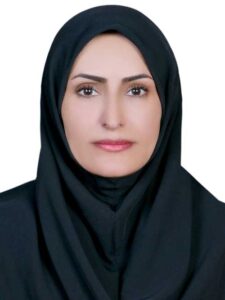
A Sincere Conversation With Leila Davoudi
In the silence of the breath,
there is a path toward inner light,
where the body finds rest
and the soul remembers its true self.
Yoga
is not the movement of the body,
but the return of awareness
to its own home.
To become more familiar with the International Holistic Yoga Therapy Institute, you are invited to read the following interview.
- Please introduce yourself and tell us about your position at the International Yoga Therapy Institute.
Hello. My name is Leila Davoudi. I am a Yoga teacher, Children’s Yoga teacher, Meditation teacher, Ayurveda practitioner, Corrective Yoga teacher, and a researcher in the fields of Yoga and health-related sciences. Throughout my professional journey, I have pursued Yoga education with a scientific, mindful, and holistic approach, while continuing my studies in Yoga, Pranayama, Meditation, Ayurveda, Yogic lifestyle, and the scientific applications of Yoga.
I have also completed specialized studies and training in Yoga Therapy and corrective approaches, striving to integrate the knowledge of Yoga with a deeper understanding of the human body, anatomy, movement sciences, and individual needs.
Currently, I serve as the Research Manager and Head of the Research Committee at the International Holistic Yoga Therapy Institute. In this role, I am responsible for reviewing and collecting credible scientific resources, developing research activities, producing and presenting scientific content, reviewing current research articles, supporting researchers, and creating a bridge between the authentic knowledge of Yoga, Ayurveda, and modern scientific findings.
My goal is to contribute to the scientific development of Yoga and to provide education that preserves the authenticity of this knowledge while being based on awareness, safety, and scientific evidence.
- What has your learning journey been like, and what has changed your perspective on Yoga over the years?
My journey of learning Yoga has been continuous and enriched by experience, study, and research. I began with foundational Yoga training and gradually continued my education in various fields, including Yoga for Multiple Sclerosis (MS), Corrective Yoga, Children’s Yoga (for children with autism), Meditation, Pranayama, Yoga philosophy, Ayurveda, and the scientific understanding of the human body.
Throughout these years, what has changed my perspective on Yoga more than anything else has been gaining a deeper understanding of the comprehensive nature of this discipline. For me, Yoga is no longer simply a collection of physical postures; it is a method for creating harmony between the body, mind, breath, emotions, and human lifestyle.
Furthermore, becoming more familiar with scientific research and recent studies has shown that Yoga can play an effective role in areas such as stress management, improving quality of life, enhancing body
awareness, and supporting overall health. This perspective has inspired me to teach Yoga with greater responsibility, greater attention to individual differences, and a more scientific approach.
- How do you create a balance between the physical aspects (Asana) and the mental/spiritual aspects (Philosophy) in your classes?
In my teaching, I strive to create a balance between the physical and mental aspects of Yoga. Asanas are not only intended to strengthen the body, improve flexibility, and enhance movement function, but also provide an opportunity to increase awareness of the body, the breath, and one’s connection with oneself.
Alongside physical practice, I use breathing techniques, concentration, relaxation, meditation, and the principles of Yoga philosophy so that the student can experience Yoga more completely.
I believe that Yoga has a deeper impact when physical practice is accompanied by the cultivation of the mind, increased awareness, and the development of inner balance.
- Is Yoga simply a form of exercise for you, or is it a way of life? How does this perspective influence your teaching?
For me, Yoga is not merely a form of exercise; it is a conscious way of life. The principles of Yoga—such as self-awareness, discipline, balance, breath control, mental calmness, and a deeper understanding of the human being—can be present in every aspect of life.
This perspective has led me to focus not only on the correct execution of postures but also to help students experience the importance of awareness, caring for the body, managing stress, and creating balance in everyday life.
My goal is for Yoga not to be limited to class time, but to become a healthy perspective and way of life for those who practice it.
- What has been the greatest ethical or professional challenge you have faced during your teaching career, and how did you manage it?
One of the most important professional challenges in my teaching journey has been maintaining a balance between individuals’ desire for rapid progress and the principles of safety and physical well-being. Sometimes people want to perform more advanced postures as quickly as possible, but the responsibility of a teacher is to consider each individual’s physical condition, abilities, and limitations.
In such situations, I try to guide them through scientific explanations, respect for their individual condition, appropriate modifications to the postures, and the selection of suitable practices. In my view, responsibility, professional ethics, and protecting people’s health are always more important than achieving a particular posture quickly.
- When teaching different groups, how do you apply modifications to postures in order to prevent injuries?
In teaching Yoga, I always consider individual differences because each person has different needs based on age, physical condition, movement history, flexibility, and physical limitations.
By using the principles of Corrective Yoga, adjusting the range of motion, correcting body alignment, and using supportive props such as blocks, straps, walls, blankets, and other supportive equipment, I adapt the practices to suit different conditions.
I believe that the goal of Yoga is not to achieve a specific external shape of a posture, but to cultivate awareness, balance, health, and a better connection between the individual and their body. Therefore, the practice should be adapted to the individual, not the individual forced to adapt to the practice.
- If a client with a specific condition (such as a lumbar disc injury or high blood pressure) joins your class, what is your assessment process and how do you modify your program?
In such situations, I first obtain comprehensive information about the individual’s condition, medical history, movement limitations, medications, and general health status. If there is a specific disease or injury, I consider the importance of coordinating with the individual’s physician or relevant healthcare professional.
Then, based on the individual’s condition, appropriate practices are selected, including corrective movements, breathing exercises, relaxation practices, and techniques that are compatible with their physical condition.
My goal in these situations is to create a safe and beneficial experience for the individual, and I always strive to respect the boundaries of my professional expertise and work within the scope of Yoga instruction.
- How do you create a balance between static and dynamic practices in a Yoga Therapy session?
When designing a session, I select dynamic and static practices according to the individual’s physical condition, the purpose of the practice, and their specific needs.
Generally, gentle dynamic movements can be used to prepare the body, increase circulation, and develop movement awareness. These are followed by static practices to enhance concentration, balance, muscular strength, and the connection between the mind and body.
At the end of the session, through breathing practices, relaxation, and meditation, I strive to help the nervous system return to a state of balance and calm.
- How do you explain the relationship between the parasympathetic nervous system and breathing techniques (Pranayama) in stress management to a client?
I explain to the client that breathing has a direct relationship with the nervous system. During stress, the body enters a state of alertness, and the activity of the sympathetic nervous system increases.
Proper Pranayama practices, especially slow, deep, and mindful breathing, can help activate the parasympathetic nervous system, which is associated with relaxation, reduced tension, improved concentration, and a greater sense of balance.
For this reason, I consider Pranayama to be one of the essential components of Yoga practice, capable of playing an effective role in stress management, increasing awareness, and regulating the connection between the body and the mind.
- How do you manage the class environment so that it is calm and effective for both beginners and advanced practitioners?
I strive to create a class environment in which each individual can experience their own practice without feeling comparison or competition.
In my teaching, I present postures with appropriate levels of progression and provide necessary modifications for different conditions so that individuals with varying abilities can practice together in a safe and peaceful environment.
Respect for individual differences, effective communication with participants, attention to each person’s needs, and creating a non-judgmental atmosphere are among the key principles of my class management. I believe that a successful class is one in which participants feel calm, confident, and safe.
- If, during the class, a client experiences severe anxiety or loss of concentration, what would your professional response be?
In such situations, I first try to calmly and attentively assess the individual’s condition and, without creating a sense of concern or drawing the attention of others, provide an appropriate environment for them.
If necessary, I ask the individual to step away from performing the posture for a while and gradually regain balance through breathing techniques, relaxation, focusing on the breath, and body awareness.
I also try to understand the cause of the anxiety or loss of concentration and, if needed, modify the intensity or type of practice. In yoga instruction, paying attention to an individual’s psychological and emotional state is just as important as their physical condition.
- What is your approach to providing constructive feedback to clients who have difficulty performing the postures?
I always provide feedback with respect, patience, and the intention of helping the individual improve. I first highlight the positive aspects of their performance and then explain the corrective points in a simple and understandable manner.
If necessary, I use posture demonstrations, verbal explanations, supportive props, and appropriate modifications so that the individual can establish a better connection with the posture.
I believe that effective feedback should increase an individual’s awareness, self-confidence, and motivation, rather than create feelings of inadequacy or comparison with others.
- How do you ensure the creation of a safe space, both psychologically and physically, in your class?
Creating a safe space is one of the most important principles of yoga instruction. I strive to maintain a calm, respectful, and non-judgmental classroom environment so that every individual can practice with a sense of safety.
From a psychological perspective, I respect individual differences, emotions, and each person’s unique circumstances, and I avoid comparing individuals with one another.
From a physical perspective, by emphasizing the correct execution of postures, the appropriate use of supportive teaching props, proper body alignment, and consideration of each individual’s limitations, I strive to minimize the risk of injury.
- How do you design a yoga program based on an individual’s unique physiological and psychological needs?
Designing a yoga program should be based on a comprehensive understanding of the individual, as each person’s physical condition, emotional state, lifestyle, and goals are different.
I first gather information about the individual’s physical condition, movement history, limitations, breathing pattern, stress level, sleep quality, and personal goals. Based on this information, I design an appropriate combination of asanas, breathing practices, relaxation techniques, meditation, and lifestyle-related recommendations.
Throughout this process, I apply the principles of corrective yoga, anatomical knowledge, and, when appropriate, yoga therapy approaches to ensure that the practices are safe, purposeful, and tailored to the individual’s condition.
- What educational aids, such as belts and blocks, do you use for exercises in your classes?
In yoga education, particularly in corrective yoga, educational aids play an important role in ensuring safety, enhancing body awareness, and facilitating the correct performance of movements. Depending on each individual’s condition, I use tools such as yoga blocks, belts, walls, blankets, bolsters, and other supportive equipment.
The purpose of using these tools is to help maintain proper body alignment, reduce unnecessary strain, increase the safe range of motion, and provide opportunities for individuals with different abilities and conditions to practice.
I also teach the correct use of these tools and their application in correcting postural conditions and improving the quality of practice in the corrective yoga courses I offer.
- How do you assess and document a client’s progress?
To assess an individual’s progress, I first evaluate their initial condition, including their physical condition, movement history, limitations, goals, level of physical fitness, breathing quality, and level of body awareness.
Throughout the sessions, I pay attention to changes in the individual, their progress in performing movements, physical sensations, level of relaxation, quality of practice, and feedback. This process helps me modify the exercise program when necessary and tailor it to the individual’s condition.
From a research perspective, recording and documenting this process is also highly important, as it can contribute to the scientific evaluation of the effects of yoga practices and the development of evidence based educational methods.
- If you observe signs of an injury or a need for medical treatment in a client, how do you determine the boundary between your responsibilities as an instructor and those of a physician?
As a yoga teacher, my responsibility is to provide instruction that is correct, safe, and appropriate for the individual’s condition. However, diagnosing illnesses or providing medical treatment falls within the scope of physicians and other healthcare professionals.
If I observe signs of an injury, unusual pain, or a condition that requires medical evaluation, I refer the individual for professional assessment and modify the exercises as much as possible according to their condition.
I believe that collaboration among yoga instructors, physicians, and healthcare professionals can lead to the best outcomes for individuals’ health.
- What new knowledge or skills have you learned in the field of yoga or related sciences, such as anatomy or psychology, during the past year?
During the past year, I have focused extensively on studying and researching areas related to yoga, corrective yoga, pranayama, Ayurveda, and the relationship between the body and mind.
In the field of Ayurveda, I have continued my studies of concepts such as the five primary elements, or Pancha Mahabhuta, nutrition from an Ayurvedic perspective, Ayurvedic cleansing practices, Rasayana, and their relationship with the yogic lifestyle.
I have also been following recent scientific studies in anatomy, movement science, nervous system function, meditation, and the role of breathing practices in stress management, so that I can provide instruction based on up-to-date knowledge.
- How do you keep yourself up to date in the changing world of yoga, including changes in methods and international standards?
To stay up to date, I continuously study scientific articles, review reliable international sources, participate in specialized courses and webinars, and follow new research in the field of yoga and related sciences.
In my role as the Research Director of the Institute, I also strive to review new scientific resources and make practical materials available to the yoga community for the development of education and research.
I believe that a yoga teacher should always remain committed to learning and continually develop their knowledge in accordance with scientific advances and new standards.
- If you had to choose one distinctive feature of your teaching style that sets you apart from others, what would it be?
The distinctive feature of my teaching style is the combination of practical experience in teaching yoga with a scientific and research-oriented approach.
In my teaching, in addition to focusing on the correct performance of asanas, I also pay attention to body anatomy, individual differences, breathing, the mind, yoga philosophy, and lifestyle.
My experience in corrective yoga, teaching children, meditation, and Ayurvedic studies has also helped me design and provide practices according to the needs of individuals.
- What is your vision for the role of yoga therapy in public health over the next 5 years?
In my opinion, in the coming years, yoga therapy and yoga-based approaches can play an increasingly important role in prevention, public health promotion, stress management, mental health, musculoskeletal problems, and improving quality of life.
Of course, the development of this field requires standardized education, stronger scientific research, and collaboration among instructors, researchers, and healthcare professionals.
Our goal should be to ensure that yoga, while preserving its authenticity, is applied in a scientific, safe, and responsible manner to serve the health of society.
- As the Research Director of the International Institute of Yoga Therapy, what research have you conducted, and what research do you plan to conduct?
In my role as the Research Director of the Institute, my focus has been on developing scientific resources, reviewing reliable articles, and conducting studies related to yoga, yoga therapy, and Ayurveda.
Among the research articles and topics that I have presented and reviewed at the Institute are: What is Ayurveda?
What is the philosophy of Ayurveda?
The Five Primary Elements (Pancha Mahabhuta): The Fundamental Elements in Ayurveda Nutrition in Yoga from an Ayurvedic Perspective
The Role of Ayurvedic Cleansing and Retreats in Yoga Therapy
Marma and Yoga Therapy in the Treatment of Headaches: A Holistic Clinical Approach
I am also currently studying and collecting scientific resources on pranayama, the effects of breathing techniques on the nervous system, Rasayana, Ayurvedic cleansing practices, the yogic lifestyle, and the applications of yoga in physical and mental health.
- What future do you envision for research in the field of yoga therapy?
I see the future of research in yoga and yoga therapy as very broad and promising. In the coming years, I expect more studies to be conducted on the relationship between yoga and neuroscience, mental health, chronic diseases, healthy lifestyles, aging, and preventive medicine.
Furthermore, interdisciplinary research involving yoga, Ayurveda, psychology, physiology, and medical sciences can contribute to a better understanding of the mechanisms underlying the effects of these approaches.
In my view, the future of this field depends on rigorous research, the standardization of education, and stronger connections between traditional knowledge and modern science.
- As your closing statement, please mention anything you consider necessary.
In conclusion, I would like to emphasize that yoga, for me, is not merely a physical activity, but a comprehensive body of knowledge for better understanding the human being and creating balance among the body, mind, and life.
I hope that through the expansion of scientific research, standardized education, and collaboration among specialists, we can strengthen the role of yoga, corrective yoga, yoga therapy, and Ayurveda in promoting the health of society.
As a yoga teacher and research professional, I also strive, through continuous learning, research, and the accurate transmission of knowledge, to make a small contribution to this path.
Thank you for your warm presence and participation in this interview.
Interviewer: Shahin Valadi
International Holistic Yoga Therapy Institute (IHYTI)
گفتگویی صمیمانه با سرکار خانم لیلا داودی
در سکوتِ نفس،
راهیست به روشنای درون
جایی که تن آرام میگیرد
و جان، خودِ واقعیاش را به یاد میآورد
یوگا
نه حرکتِ بدن
که بازگشتِ آگاهی
به خانهی خویش است
برای آشنایی بیشتر با انیسیتو یوگا تراپی کل نگر شما را به خواندن مصاحبه زیر دعوت میکنم.
۱. لطفا خودرا معرفی بفرمایید؟و سمت شما در انیسیتو بین المللی یوگا تراپی چیست؟
با سلام. لیلا داودی هستم، معلم یوگا، یوگای کودکان، مدیتیشن،آیورودا، یوگای اصلاحی و پژوهشگر در حوزه یوگا و علوم مرتبط با سلامت. در مسیر فعالیت حرفهای خود، آموزش یوگا را با رویکردی علمی، آگاهانه و کلنگر دنبال کردهام و مطالعات خود را در زمینه ی یوگا، پرانایاما،مدیتیشن آیورودا، سبک زندگی یوگایی و کاربردهای علمی یوگا ادامه دادهام.
همچنین در زمینه ی یوگاتراپی و رویکردهای اصلاحی، مطالعات و آموزشهای تخصصی داشتهام و تلاش کردهام دانش یوگا را با شناخت بهتر بدن، آناتومی، علوم حرکت و نیازهای فردی افراد ترکیب کنم.
در حال حاضر به عنوان مدیر پژوهش و مسئول کمیسیون پژوهش انستیتو بینالمللی یوگاتراپی کلنگر فعالیت میکنم. در این جایگاه، مسئولیت من بررسی و جمعآوری منابع علمی معتبر، توسعه فعالیتهای پژوهشی، تولید و ارائه محتوای علمی، بررسی مقالات روز، حمایت از پژوهشگران و ایجاد ارتباط میان دانش اصیل یوگا، آیورودا و یافتههای علمی جدید است.
هدف من در این مسیر، کمک به توسعه علمی یوگا و ارائه آموزشهایی است که در کنار حفظ اصالت این دانش، بر پایه آگاهی، ایمنی و شواهد علمی نیز قرار داشته باشد.
۲. مسیر یادگیری و رسیدن به این مرحله از مربیگری برای شما چگونه بوده و چه چیزی در این سالها دیدگاه شما را نسبت به یوگا تغییر داد؟
مسیر یادگیری من در یوگا یک مسیر مستمر و همراه با تجربه، مطالعه و پژوهش بوده است. از آموزشهای پایه یوگا آغاز کردم و با ادامه مسیر، در حوزههای مختلفی مانندیوگا(ام اس) یوگای اصلاحی، یوگای کودکان(کودکان اوتیسم)، مدیتیشن، پرانایاما، فلسفه یوگا، آیورودا و شناخت علمی بدن مطالعات و آموزشهای بیشتری را دنبال کردم.
در طول این سالها، چیزی که بیش از همه دیدگاه من را نسبت به یوگا تغییر داد، شناخت عمیقتر از جامعیت این دانش بود. یوگا برای من دیگر تنها مجموعهای از حرکات بدنی نیست، بلکه روشی برای ایجاد هماهنگی میان جسم، ذهن، تنفس، احساسات و سبک زندگی انسان است.
همچنین آشنایی بیشتر با پژوهشهای علمی و مطالعات جدید نشان داد که یوگا میتواند در زمینههایی مانند مدیریت استرس، بهبود کیفیت زندگی، افزایش آگاهی بدنی و حمایت از سلامت عمومی نقش مؤثری داشته باشد. این نگاه باعث شد آموزش یوگا را با مسئولیت بیشتر، توجه به تفاوتهای فردی و رویکردی علمیتر دنبال کنم.
۳. چگونه بین جنبههای فیزیکی (Asana) و جنبههای معنوی/ذهنی (Philosophy) در جلسات خود تعادل برقرار میکنید؟
در آموزشهای خود تلاش میکنم بین بخش فیزیکی و بخش ذهنی یوگا تعادل ایجاد کنم. آساناها فقط برای تقویت بدن، انعطافپذیری و بهبود عملکرد حرکتی نیستند، بلکه فرصتی برای افزایش آگاهی نسبت به بدن، تنفس و ارتباط فرد با خودش ایجاد میکنند.
در کنار تمرینات بدنی، از تکنیکهای تنفسی، تمرکز، آرامسازی، مدیتیشن و مفاهیم فلسفه یوگا نیز استفاده میکنم تا پرتوجو بتواند تجربه کاملتری از یوگا داشته باشد.
اعتقاد دارم یوگا زمانی اثر عمیقتری خواهد داشت که تمرین جسمی همراه با پرورش ذهن، افزایش آگاهی و ایجاد تعادل درونی باشد.
۴. یوگا برای شما صرفاً یک روش تمرینی است یا یک سبک زندگی؟ این نگاه چگونه بر نحوه تدریس شما تأثیر میگذارد؟
برای من یوگا تنها یک روش تمرینی نیست، بلکه یک سبک زندگی آگاهانه است. اصول یوگا مانند توجه به خود، نظم، تعادل، کنترل تنفس، آرامش ذهن و شناخت بهتر انسان، میتواند در تمام جنبههای زندگی فرد حضور داشته باشد.
این نگاه باعث شده در آموزش خود فقط به اجرای صحیح حرکات توجه نکنم، بلکه تلاش کنم پرتوجویان اهمیت آگاهی، مراقبت از بدن، مدیریت استرس و ایجاد تعادل در زندگی روزمره را نیز تجربه کنند.
هدف من این است که یوگا برای افراد تنها به زمان کلاس محدود نشود، بلکه به یک نگرش و شیوه زندگی سالم تبدیل شود.
۵. بزرگترین چالش اخلاقی یا حرفهای که در دوران مربیگری با آن روبرو شدهاید چه بوده و چگونه آن را مدیریت کردید؟
یکی از مهمترین چالشهای حرفهای در مسیر مربیگری، ایجاد تعادل بین خواسته افراد برای پیشرفت سریع و رعایت اصول ایمنی و سلامت بدن بوده است. گاهی افراد تمایل دارند حرکات پیشرفتهتر را سریعتر انجام دهند، اما وظیفه یک مربی این است که شرایط جسمی، تواناییها و محدودیتهای هر فرد را در نظر بگیرد.
در چنین شرایطی تلاش میکنم با توضیح علمی، احترام به شرایط فرد، ارائه تغییرات مناسب در حرکات و انتخاب تمرینات متناسب، مسیر صحیح را نشان دهم. از نظر من، مسئولیتپذیری، اخلاق حرفهای و حفظ سلامت افراد همیشه مهمتر از رسیدن سریع به اجرای یک حرکت خاص است.
۶. هنگام تدریس به گروههای مختلف، چگونه تغییرات (Modifications) را در حرکات اعمال میکنید تا از آسیبدیدگی جلوگیری شود؟
در آموزش یوگا، همیشه تفاوتهای فردی را در نظر میگیرم، زیرا هر فرد با توجه به سن، شرایط جسمانی، سابقه حرکتی، انعطافپذیری و محدودیتهای بدنی، نیازهای متفاوتی دارد.
با استفاده از اصول یوگای اصلاحی، تغییر در دامنه حرکت، تنظیم وضعیت بدن و استفاده از ابزارهای کمکآموزشی مانند آجر، کمربند، دیوار، پتو و وسایل حمایتی، تمرینات را برای شرایط مختلف مناسبسازی میکنم.
اعتقاد دارم هدف یوگا رسیدن به یک شکل ظاهری خاص از حرکت نیست، بلکه ایجاد آگاهی، تعادل، سلامت و ارتباط بهتر فرد با بدن خود است. بنابراین تمرین باید با فرد هماهنگ شود، نه اینکه فرد مجبور به تطبیق با تمرین باشد.
۷. اگر مراجعی با یک آسیب مشخص (مثلاً دیسک کمر یا فشار خون) به کلاس شما بیاید، فرآیند ارزیابی و اصلاح برنامه شما چگونه است؟
در چنین شرایطی ابتدا اطلاعات کاملی درباره وضعیت فرد، سابقه پزشکی، محدودیتهای حرکتی، داروهای مصرفی و شرایط عمومی او دریافت میکنم. در صورت وجود بیماری یا آسیب مشخص، اهمیت هماهنگی با پزشک یا متخصص مربوط را در نظر میگیرم.
سپس بر اساس شرایط فرد، تمرینات مناسب انتخاب میشوند؛ شامل حرکات اصلاحی، تمرینات تنفسی، آرامسازی و تکنیکهایی که با وضعیت جسمی او هماهنگ باشند.
هدف من در این شرایط، ایجاد یک تجربه ایمن و مفید برای فرد است و همواره تلاش میکنم مرزهای تخصصی خود را رعایت کرده و در چارچوب آموزش یوگا فعالیت کنم.
۸. چگونه بین تمرینات ایستا (Static) و تمرینات پویا (Dynamic) در یک جلسه یوگا تراپی تعادل برقرار میکنید؟
در طراحی یک جلسه، انتخاب تمرینات پویا و ایستا را بر اساس شرایط جسمی، هدف تمرین و نیاز فرد انجام میدهم.
معمولاً حرکات پویا و ملایم میتوانند برای آمادهسازی بدن، افزایش گردش خون و ایجاد آگاهی حرکتی استفاده شوند و سپس تمرینات ایستا برای افزایش تمرکز، تعادل، تقویت عضلات و بهبود ارتباط ذهن و بدن به کار گرفته میشوند در پایان نیز با استفاده از تمرینات تنفسی، آرامسازی و مدیتیشن، تلاش میکنم سیستم عصبی به حالت تعادل و آرامش برسد.
۹. در مورد ارتباط بین سیستم عصبی پاراسمپاتیک و تکنیکهای تنفسی (Pranayama) در مدیریت استرس، چه توضیحی برای مراجع میدهید؟
برای مراجع توضیح میدهم که تنفس ارتباط مستقیمی با سیستم عصبی دارد. در شرایط استرس، بدن وارد حالت آمادهباش میشود و فعالیت سیستم عصبی سمپاتیک افزایش پیدا میکند.
تمرینات صحیح پرانایاما، بهویژه تنفس آرام، عمیق و آگاهانه، میتواند به فعال شدن سیستم عصبی پاراسمپاتیک کمک کند؛ سیستمی که با آرامسازی بدن، کاهش تنش، بهبود تمرکز و ایجاد احساس تعادل مرتبط است.
به همین دلیل، پرانایاما را یکی از بخشهای مهم تمرین یوگا میدانم که میتواند در مدیریت استرس، افزایش آگاهی و تنظیم ارتباط بین بدن و ذهن نقش مؤثری داشته باشد.
۱۰. چگونه فضای کلاس را طوری مدیریت میکنید که هم برای افراد مبتدی و هم برای افراد پیشرفته، محیطی آرام و موثر باشد؟
تلاش میکنم فضای کلاس به گونهای باشد که هر فرد بدون احساس مقایسه یا رقابت، بتواند تمرین خود را تجربه کند.
در آموزش، حرکات را با سطحبندی مناسب ارائه میدهم و برای شرایط مختلف، تغییرات لازم را در نظر میگیرم تا افراد با تواناییهای متفاوت بتوانند در یک محیط امن و آرام تمرین کنند.
احترام به تفاوتهای فردی، ارتباط مناسب با افراد، توجه به نیازهای هر شخص و ایجاد فضای بدون قضاوت، از اصول مهم من در مدیریت کلاس است. باور دارم یک کلاس موفق، کلاسی است که افراد در آن احساس آرامش، اعتماد و امنیت داشته باشند.
۱۱. اگر در طول کلاس، مراجعی دچار اضطراب یا عدم تمرکز شدید شود، واکنش حرفهای شما چیست؟
در چنین شرایطی ابتدا تلاش میکنم با آرامش و توجه، وضعیت فرد را بررسی کنم و بدون ایجاد احساس نگرانی یا جلب توجه دیگران، شرایط مناسبی برای او فراهم کنم.
از فرد میخواهم در صورت نیاز برای مدتی از اجرای حرکت فاصله بگیرد و با استفاده از تکنیکهای تنفسی، آرامسازی، تمرکز بر تنفس و آگاهی از بدن، به تدریج به تعادل بازگردد.
همچنین تلاش میکنم علت ایجاد اضطراب یا عدم تمرکز را درک کنم و در صورت نیاز، شدت یا نوع تمرین را تغییر دهم. در آموزش یوگا، توجه به وضعیت روانی و احساسی فرد به اندازه وضعیت جسمانی او اهمیت دارد.
۱۲. روش شما برای ارائه بازخوردهای سازنده (Feedback) به مراجعانی که در اجرای حرکات دچار مشکل هستند، چیست؟
بازخورد را همیشه با احترام، صبوری و با هدف کمک به پیشرفت فرد ارائه میدهم. ابتدا نقاط مثبت اجرای حرکت را بیان میکنم و سپس نکات اصلاحی را به شکل ساده و قابل درک توضیح میدهم.
در صورت نیاز، از نمایش حرکت، توضیح کلامی، استفاده از ابزارهای کمکی و ارائه تغییرات مناسب استفاده میکنم تا فرد بتواند ارتباط بهتری با حرکت برقرار کند.
اعتقاد دارم بازخورد صحیح باید باعث افزایش آگاهی، اعتمادبهنفس و انگیزه فرد شود، نه ایجاد احساس ناتوانی یا مقایسه با دیگران.
۱۳. چگونه از ایجاد فضای امن (Safe Space) از نظر روانی و فیزیکی در کلاس خود اطمینان حاصل میکنید؟
ایجاد فضای امن یکی از مهمترین اصول آموزش یوگا است. تلاش میکنم محیط کلاس فضایی آرام، محترمانه و بدون قضاوت باشد تا هر فرد بتواند با احساس امنیت تمرین کند.
از نظر روانی، به تفاوتهای فردی، احساسات و شرایط هر شخص احترام میگذارم و از مقایسه افراد با یکدیگر پرهیز میکنم.
از نظر فیزیکی نیز با توجه به اصول صحیح اجرای حرکات، استفاده مناسب از ابزارهای کمکآموزشی، اصلاح وضعیت بدن و توجه به محدودیتهای هر فرد، تلاش میکنم احتمال آسیب به حداقل برسد.
۱۴. چگونه یک برنامه یوگا را بر اساس نیازهای فیزیولوژیک و روانشناختی منحصربهفرد یک فرد طراحی میکنید؟
طراحی یک برنامه یوگا باید بر اساس شناخت کامل فرد انجام شود، زیرا شرایط جسمی، روحی، سبک زندگی و اهداف هر شخص متفاوت است.
ابتدا اطلاعاتی درباره وضعیت جسمانی، سابقه حرکتی، محدودیتها، الگوی تنفس، سطح استرس، کیفیت خواب و اهداف فرد جمعآوری میکنم. سپس بر اساس این اطلاعات، مجموعهای مناسب از آساناها، تمرینات تنفسی، تکنیکهای آرامسازی، مدیتیشن و توصیههای مرتبط با سبک زندگی طراحی میشود.
در این مسیر، از اصول یوگای اصلاحی، دانش آناتومی و در صورت نیاز رویکردهای یوگاتراپی استفاده میکنم تا تمرینات ایمن، هدفمند و متناسب با شرایط فرد باشند.
۱۵. از چه ابزارهای کمک آموزشی مثل کمربند و آجر برای تمرینات در کلاس استفاده میکنید؟
در آموزش یوگا، بهویژه در یوگای اصلاحی، ابزارهای کمکآموزشی نقش مهمی در ایجاد ایمنی، افزایش آگاهی بدنی و اجرای صحیح حرکات دارند. بسته به شرایط هر فرد از ابزارهایی مانند آجر یوگا، کمربند، دیوار، پتو، و وسایل حمایتی استفاده میکنم.
هدف از استفاده از این ابزارها، کمک به حفظ راستای صحیح بدن، کاهش فشارهای غیرضروری، افزایش دامنه حرکتی ایمن و فراهم کردن امکان تمرین برای افراد با تواناییها و شرایط متفاوت است.
همچنین در دورههای یوگای اصلاحی که ارائه میدهم، اهمیت استفاده صحیح از ابزارها و کاربرد آنها در اصلاح وضعیتهای بدنی و بهبود کیفیت تمرین را آموزش میدهم.
۱۶. چگونه فرآیند پیشرفت مراجع را ارزیابی و مستندسازی میکنید؟
برای ارزیابی پیشرفت افراد، ابتدا شرایط اولیه آنها شامل وضعیت جسمانی، سابقه حرکتی، محدودیتها، اهداف، سطح آمادگی، کیفیت تنفس و میزان آگاهی بدنی بررسی میشود.
در طول جلسات، تغییرات فرد، میزان پیشرفت در حرکات، احساسات بدنی، میزان آرامش، کیفیت تمرین و بازخوردهای او مورد توجه قرار میگیرد. این روند به من کمک میکند برنامه تمرینی را در صورت نیاز اصلاح و متناسب با شرایط فرد تنظیم کنم.
از دیدگاه پژوهشی نیز ثبت و مستندسازی این فرآیند اهمیت زیادی دارد، زیرا میتواند به بررسی علمی تأثیر تمرینات یوگا و توسعه روشهای آموزشی مبتنی بر شواهد کمک کند.
۱۷. در صورت مشاهده نشانههایی از آسیب یا نیاز به درمان پزشکی در مراجع، مرز بین وظیفه شما به عنوان مربی و وظیفه پزشک را چگونه تعیین میکنید؟
به عنوان یک معلم یوگا، مسئولیت من آموزش صحیح، ایمن و متناسب با شرایط فرد است، اما تشخیص بیماری یا درمان پزشکی در حوزه تخصص پزشک و متخصصان سلامت قرار دارد.
اگر نشانههایی از آسیب، درد غیرطبیعی یا شرایطی که نیاز به بررسی پزشکی داشته باشد مشاهده کنم، فرد را برای ارزیابی تخصصی راهنمایی میکنم و تمرینات را تا حد امکان متناسب با شرایط او اصلاح میکنم.
اعتقاد دارم همکاری میان مربیان یوگا، پزشکان و متخصصان سلامت میتواند بهترین نتیجه را برای سلامت افراد ایجاد کند.
۱۸. در سال اخیر، چه دانش یا مهارت جدیدی در حوزه یوگا یا علوم مرتبط (مثل آناتومی یا روانشناسی) یاد گرفتهاید؟
در سال اخیر تمرکز زیادی بر مطالعه و پژوهش در زمینههای مرتبط با یوگا، یوگای اصلاحی، پرانایاما، آیورودا و ارتباط میان جسم و ذهن داشتهام.
در حوزه آیورودا، مطالعات خود را درباره مفاهیمی مانند پنج عنصر اصلی یا پانچا ماهابوتا، تغذیه با رویکرد آیورودایی، پاکسازیهای آیورودیک، راسایانا و ارتباط آنها با سبک زندگی یوگایی ادامه دادهام.
همچنین در زمینه آناتومی، علوم حرکت، عملکرد سیستم عصبی، مدیتیشن و نقش تمرینات تنفسی در مدیریت استرس، مطالعات علمی جدید را دنبال میکنم تا آموزشهایم بر پایه دانش بهروز ارائه شود.
۱۹. چگونه خود را در دنیای در حال تغییر یوگا (تغییرات در متدها و استانداردهای بینالمللی) بهروز نگه میدارید؟
برای بهروز ماندن، مطالعه مستمر مقالات علمی، بررسی منابع معتبر بینالمللی، شرکت در دورهها و وبینارهای تخصصی و دنبال کردن پژوهشهای جدید در حوزه یوگا و علوم مرتبط را در برنامه خود دارم.
همچنین در جایگاه مدیر پژوهش انستیتو، تلاش میکنم منابع علمی جدید را بررسی کرده و مطالب کاربردی را برای توسعه آموزش و پژوهش در اختیار جامعه یوگا قرار دهم.
باور دارم یک معلم یوگا باید همیشه در مسیر یادگیری باشد و دانش خود را متناسب با پیشرفتهای علمی و استانداردهای جدید توسعه دهد.
۲۰. اگر بخواهید یک ویژگی متمایز برای سبک تدریس خود انتخاب کنید که شما را از دیگران جدا کند، آن ویژگی چیست؟
ویژگی متمایز در سبک تدریس من، ترکیب تجربه عملی آموزش یوگا با نگاه علمی و پژوهشمحور است.
تلاش میکنم در آموزشها، علاوه بر توجه به اجرای صحیح آساناها، به آناتومی بدن، تفاوتهای فردی، تنفس، ذهن، فلسفه یوگا و سبک زندگی نیز توجه شود.
همچنین تجربه در حوزه یوگای اصلاحی، آموزش کودکان، مدیتیشن و مطالعات آیورودا به من کمک کرده است تا تمرینات را متناسب با نیاز افراد طراحی و ارائه کنم.
۲۱. چشمانداز شما از نقش یوگا تراپی در سلامت عمومی جامعه در ۵ سال آینده چیست؟
به نظر من در سالهای آینده، یوگاتراپی و رویکردهای مبتنی بر یوگا میتوانند نقش مهمتری در حوزه پیشگیری، ارتقای سلامت عمومی، مدیریت استرس، سلامت روان، مشکلات اسکلتیـعضلانی و بهبود کیفیت زندگی داشته باشند.
البته توسعه این حوزه نیازمند آموزش استاندارد، پژوهشهای علمی قویتر و همکاری میان مربیان، پژوهشگران و متخصصان سلامت است.
هدف ما باید این باشد که یوگا با حفظ اصالت خود، به شکلی علمی، ایمن و مسئولانه در خدمت سلامت جامعه قرار گیرد.
۲۲.به عنوان مدیر پژوهش انیسیتو بین المللی یوگا تراپی چه پژوهش هایی را انجام داده و یا خواهید داد؟
در جایگاه مدیر پژوهش انستیتو، تمرکز من بر توسعه منابع علمی، بررسی مقالات معتبر و انجام مطالعات مرتبط با یوگا، یوگاتراپی و آیورودا بوده است.
از جمله مقالات و موضوعات پژوهشی که در انستیتو ارائه و بررسی کردهام میتوان به:
آیورودا چیست؟
فلسفه آیورودا چیست؟
پنج عنصر اصلی (پانچا ماهابوتا)؛ عناصر بنیادین در آیورودا
تغذیه در یوگا با رویکرد آیورودایی
نقش پاکسازی و رتریت آیورودیک در یوگاتراپی
مارما و یوگاتراپی در درمان سردرد: رویکرد کلنگر بالینی
اشاره کرد.
همچنین در حال مطالعه و جمعآوری منابع علمی در زمینه پرانایاما، تأثیر تکنیکهای تنفسی بر سیستم عصبی، راسایانا، پاکسازیهای آیورودیک، سبک زندگی یوگایی و کاربردهای یوگا در سلامت جسم و ذهن هستم.
۲۳.چه آینده ایی برای پژوهش در زمینه یوگا تراپی متصور هستید؟
آینده پژوهش در زمینه یوگا و یوگاتراپی را بسیار گسترده و امیدوارکننده میبینم. در سالهای آینده انتظار میرود مطالعات بیشتری در زمینه ارتباط یوگا با علوم اعصاب، سلامت روان، بیماریهای مزمن، سبک زندگی سالم، سالمندی و پزشکی پیشگیرانه انجام شود.
همچنین پژوهشهای میانرشتهای بین یوگا، آیورودا، روانشناسی، فیزیولوژی و علوم پزشکی میتواند به شناخت بهتر مکانیسمهای اثر این روشها کمک کند.
به باور من، آینده این حوزه در گرو پژوهشهای دقیق، استانداردسازی آموزشها و ایجاد ارتباط بیشتر میان دانش سنتی و علم مدرن است.
۲۴.به عنوان سخنپایانی هر مطلبی را ضروری میدانید بفرمایید.
در پایان میخواهم تأکید کنم که یوگا برای من تنها یک فعالیت جسمی نیست، بلکه دانشی جامع برای شناخت بهتر انسان و ایجاد تعادل میان جسم، ذهن و زندگی است.
امیدوارم با گسترش پژوهشهای علمی، آموزشهای استاندارد و همکاری میان متخصصان، بتوانیم جایگاه واقعی یوگا، یوگای اصلاحی، یوگاتراپی و آیورودا را در ارتقای سلامت جامعه توسعه دهیم.
من نیز به عنوان یک معلم یوگا و مسئول پژوهش، تلاش میکنم با یادگیری مستمر، پژوهش و انتقال صحیح دانش، سهم کوچکی در این مسیر داشته باشم.
تشکر میکنم از حضور گرم شما در این مصاحبه.
مصاحبه کننده: شهین ولدی
انیسیتو بین المللی یوگا تراپی کل نگر