
Compiled by: Leila Davoudi
Yoga, Meditation, and Ayurveda Teacher
Professional Member of the International Holistic Yoga Therapy Institute (IHYTI)
Abstract
Marmas are vital and sensitive points of the body located at the intersections of muscles, bones, ligaments, and blood vessels, and they guide the flow of the body’s vital energy (Prana). Targeted stimulation of these points may reduce muscular tension, nervous system activity, and psychological responses associated with headache.
This article examines the application of Marma in Yoga Therapy for headache treatment. The research method is review–analytical, and the sources include classical texts, clinical studies, and specialized books related to Marma and Yoga Therapy. Findings indicate that the combination of yoga practices, breathing techniques, and Marma stimulation may contribute to reducing tension-type headaches and migraines, increasing relaxation, improving sleep quality, and reducing anxiety.
Keywords: Marma, Yoga Therapy, Headache, Neural Regulation, Energy Flow, Prana
Introduction
Headache is one of the most common neurological and physiological disorders affecting millions of people worldwide and reducing quality of life. Conventional treatments include analgesic medications and physiotherapy; however, many patients seek non-invasive and natural approaches.
Marmas, as sensitive and vital points of the body, may contribute to headache reduction through regulation of energy flow and the nervous system. These points are located at the intersections of important body structures, and their stimulation simultaneously affects muscles, nerves, blood vessels, and ligaments.
In Yoga Therapy, combining work on head and neck Marmas along with asana, pranayama, and meditation creates a holistic and safe approach for headache management.
What Are Marmas?
Marmas are vital points of the body located at the intersections of muscles, ligaments, bones, joints, and blood vessels.
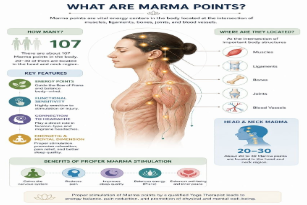
Key Characteristics:
Energy points: directing the flow of Prana and maintaining body–mind balance
Functional sensitivity: high responsiveness to stimulation or injury
Relation to headache: direct role in tension-type headaches and migraines
Number: approximately 107 Marmas, of which 20 to 30 points are associated with the head and neck
In addition to their physical dimension, Marmas are also considered centers of vital energy, and proper stimulation of these points promotes relaxation, pain reduction, and improved sleep quality.
Importance of Marma in Yoga Therapy for Headache
Benefits:
Reduction of muscular tension in the neck and shoulders
Regulation of the nervous system (parasympathetic activation)
Increased bodily and mental awareness
Reduction in headache intensity and frequency
Improvement of energy flow (Prana)
Definition and Role of Marma in Headache
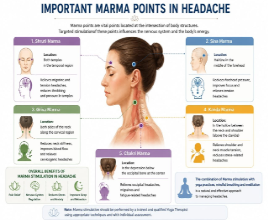
Marmas are points located at the intersections of physical structures and, through targeted stimulation, influence the nervous system and body energy.
Important Marmas in Headache:
Shruti Marma
Sina Marma
Griva Marma
Kanda Marma
Chakri Marma
Classification of Marmas and Their Role in Headache
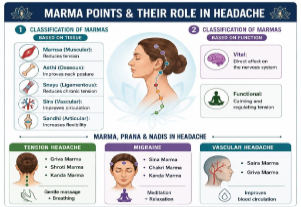
- Based on Tissue Type:
Muscular (Mamsa): reduction of tension
Bony (Asthi): improvement of neck posture
Ligamentous (Snayu): reduction of chronic tension
Vascular (Sira): improvement of blood circulation
Joint-related (Sandhi): increased flexibility
- Based on Function:
Vital: direct effect on the nervous system
Functional: relaxation and tension regulation
Marma, Prana, and Nadis in Headache
Tension-Type Headache:
Griva Marma, Shruti Marma, Kanda Marma
Gentle massage + breathing
Migraine:
Sina Marma, Chakri Marma, Kanda Marma
Meditation + relaxation
Vascular Headache:
Sira Marma, Griva Marma
Improvement of blood circulation
Role of Nadis
Stimulation of Marmas contributes to regulation of Prana flow within the Nadis and activation of the parasympathetic system.
Revisiting Marma and Clinical Effects
Activation of the parasympathetic system
Reduction of stress and pain
Improvement of sleep quality
Increased mental relaxation
Improved energy circulation in the head and neck
Studies indicate that Marma stimulation may reduce headache severity and decrease the need for analgesic medications.
(Revisiting Marma Through the Approach of Neural Regulation and Clinical Effects in Headache)
Contemporary research indicates that Marmas are not only physical points of the body but also communicative centers between the energy system and the nervous system. From the perspective of Yoga Therapy and complementary medicine, targeted stimulation of these points may have significant effects on regulating neural function and reducing headaches.
- Activation of the Parasympathetic Nervous System
Gentle stimulation of Marmas activates the parasympathetic nervous system, resulting in the following outcomes:
Reduction of neck and shoulder muscle tension
Reduction of cortisol levels (stress hormone)
Induction of general relaxation
Reduction in headache frequency and intensity
- 2. Pain Reduction and Increased Relaxation
Marma stimulation may activate pathways associated with the release of endorphins and anti-pain neurotransmitters:
Reduction of tension-type headaches through decreased muscular pressure
Improved control of migraine headaches through reduction of spasms and improvement of blood circulation
- Improvement of Body Awareness and Energy Regulation
Marmas are defined in relation to Nadis and the flow of Prana, and their proper stimulation leads to:
Increased coordination between mind and body
Improved concentration and mental calmness
Regulation of energy flow in the head and neck region
- 4. Practical Methods of Marma Stimulation in Headache
Gentle massage of Marmas on the head, forehead, and temples
Breathing exercises (Pranayama)
Meditation and guided relaxation
Stretching practices and neck and shoulder asanas
- 5. Clinical and Research Evidence
Clinical reports and studies in complementary medicine indicate:
Reduction in headache intensity and frequency
Reduced use of analgesic medications
Improved sleep quality
Reduced anxiety
Application of Marma in Yoga Therapy for Headache (Integrated Approach)
- 1. Combination of Marma with Yoga Asanas
Marmas are used in Yoga Therapy as a tool for neurophysical regulation and create greater therapeutic effects when combined with other techniques.
Neck and shoulder movements (Bhujangasana, Setu Bandhasana) combined with stimulation of neck Marmas
Relaxation posture (Balasana) combined with focus on the forehead and temples
- Combination of Marma with Pranayama
Nadi Shodhana: reduction of stress and activation of the parasympathetic system
Kapalabhati: improvement of energy flow and reduction of tension-type headaches
- Combination of Marma with Meditation
Mental focus on Marmas of the forehead and temples
Deep relaxation to reduce neural tension
- Clinical Benefits
Pain reduction without medication
Improved sleep and reduced anxiety
Increased body awareness
Prevention of headache chronification
- Therapeutic Considerations
Stimulation should be gentle and controlled
Combining multiple approaches (Marma + Yoga + Breathing) enhances effectiveness
Consistency of practice is necessary for sustained effects
Clinical Applications and Emerging Research Evidence
In complementary medicine studies, Marmas are recognized as key points in regulating the nervous system.
- Reduction of Headache Pain
Reduction of muscular tension
Increased endorphin secretion
Reduced headache intensity and frequency
- Regulation of the Nervous System
Activation of the parasympathetic system
Reduction of stress and anxiety
Improved muscular relaxation
- Improvement of Body Awareness
Increased mind–body coordination
Improved concentration and neural balance
- Research Evidence
AYUSHDHARA (2021): reduction of muscular tension
Journal of Ayurveda and Integrative Medicine (2022): improvement in anxiety and sleep
Frontiers in Neuroscience (2023): relationship between body point stimulation and neural regulation
Clinical Cases of Marma in Headache
- Chronic Tension-Type Headache
Neck Marmas + Yoga + Breathing
Reduction of pain and decrease in headache frequency
- Stress-Related Migraine
Temple and forehead Marmas + Meditation
Reduction in intensity and improvement in sleep
- Headache Related to Sleep Disorders
Head Marmas + Relaxation
Improvement in sleep and reduction of morning headache
Analysis of Results and Practical Applications
Increased mind–body coordination
Reduced dependence on medication
Sustained effects in headache reduction
Possibility of treatment personalization
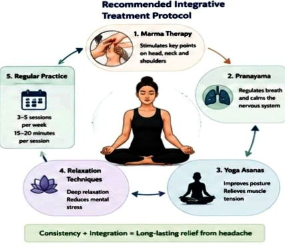
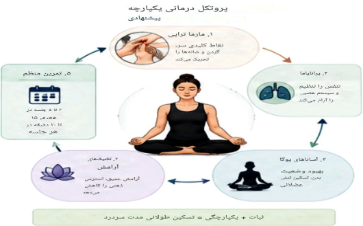
Suggested Treatment Protocol
3 to 5 sessions per week
15 to 20 minutes of practice
Combination: Marma + Breathing + Asana + Relaxation
Discussion
Marmas, alongside Yoga Therapy, play a multidimensional role in headache reduction. Stimulation of these points contributes to regulation of the nervous system, reduction of stress, and improvement of physical–mental functioning.
Limitations:
Lack of controlled studies
Absence of a standardized protocol
Need for long-term research
Conclusion
Marmas are a complementary, non-invasive, and effective tool in headache treatment. Their combination with Yoga Therapy (asana, pranayama, and meditation) contributes to:
Pain reduction
Stress reduction
Improved sleep
Increased mind–body coordination
Prevention of chronic headaches
The integration of traditional Ayurvedic knowledge with contemporary scientific findings provides a basis for more reliable clinical application of this method.
References / Bibliography
Schrott, Raju. Marma Therapy: The Healing Power of Ayurvedic Vital Point Massage.
https://marmatherapy.org/product/marma-therapy/
Sushruta Samhita, Sharira Sthana – Marma Sharira.
Translation: Kaviraj Kunja Lal Bhishagratna
https://www.wisdomlib.org/hinduism/book/sushruta-samhita
Charaka Samhita
Translation: R. K. Sharma & Bhagwan Dash
https://www.wisdomlib.org/hinduism/book/charaka-samhita
Ashtanga Hridaya
Translation: K. R. Srikantha Murthy
https://www.wisdomlib.org/hinduism/book/ashtanga-hridaya
Lad, Vasant. Marma Points of Ayurveda. Narayana Verlag
https://www.narayana-verlag.com/Marma-Points-of-Ayurveda-Vasant-Lad
Effect of Marma Therapy on Pain and Functional Disability.
Journal of Ayurveda and Integrative Medicine
https://pubmed.ncbi.nlm.nih.gov/37494833/
Evaluation of Pressure Pain Threshold for Marma Therapy Using Pressure Algometer: A Survey Study.
AYUSHDHARA
https://ayushdhara.in/index.php/ayushdhara/article/view/150
A Historical Review on Literature of Marma Science – An Ancient Healing Technique.
Asian Pacific Journal of Health Sciences
https://www.apjhs.com/index.php/apjhs/article/view/303
Understanding the Concept of Marma and Their Clinical Application in Shalya Tantra.
Journal of Ayurveda and Integrated Medical Sciences
https://www.jaims.in/jaims/article/view/498
Porges, Stephen W. The Polyvagal Theory. W. W. Norton, 2011.
Sapolsky, Robert. Why Zebras Don’t Get Ulcers. Holt Paperbacks, 2004.
Khalsa, Sat Bir Singh et al. The Principles and Practice of Yoga in Health Care. Handspring Publishing, 2016.
Marma Points Therapy: About, Benefits, Research. Healthline
https://www.healthline.com/health/marma
International Journal of AYUSH (2024). Marma Sharir and Its Clinical Application
https://internationaljournal.org.in/journal/index.php/ijayush/article/view/1102
International Holistic Yoga Therapy Institute
گردآوری: لیلا داودی
معلم یوگا، مدیتیشن و آیورودا
عضو حرفهای انستیتو بینالمللی یوگاتراپی کلنگر (IHYTI)
چکیده (Abstract)
مارماها نقاط حیاتی و حساس بدن هستند که در محل تلاقی عضلات، استخوانها، رباطها و عروق قرار دارند و جریان انرژی حیاتی بدن (پرانا) را هدایت میکنند. تحریک هدفمند این نقاط میتواند تنش عضلانی، فعالیت سیستم عصبی و پاسخهای روانی مرتبط با سردرد را کاهش دهد.
در این مقاله، کاربرد مارما در یوگاتراپی برای درمان سردرد بررسی شده است. روش پژوهش مروری–تحلیلی بوده و منابع شامل متون کلاسیک، مطالعات بالینی و کتابهای تخصصی مرتبط با مارما و یوگاتراپی است. یافتهها نشان میدهد ترکیب تمرینات یوگا، تکنیکهای تنفسی و تحریک مارماها میتواند به کاهش سردردهای تنشی و میگرنی، افزایش آرامش، بهبود کیفیت خواب و کاهش اضطراب کمک کند.
کلیدواژهها: مارما، یوگاتراپی، سردرد، تنظیم عصبی، جریان انرژی، پرانا
مقدمه (Introduction)
سردرد یکی از شایعترین اختلالات نورولوژیک و فیزیولوژیک است که میلیونها نفر را در سراسر جهان تحت تأثیر قرار میدهد و کیفیت زندگی را کاهش میدهد. درمانهای رایج شامل داروهای مسکن و فیزیوتراپی است، اما بسیاری از بیماران به دنبال روشهای غیرتهاجمی و طبیعی هستند.
مارماها بهعنوان نقاط حساس و حیاتی بدن، میتوانند با تنظیم جریان انرژی و سیستم عصبی در کاهش سردرد مؤثر باشند. این نقاط محل تلاقی ساختارهای مهم بدن هستند و تحریک آنها بر عضلات، اعصاب، عروق و رباطها اثر همزمان دارد.
در یوگاتراپی، ترکیب کار روی مارماهای سر و گردن همراه با آسانا، پرانایاما و مدیتیشن، یک رویکرد کلنگر و ایمن برای مدیریت سردرد ایجاد میکند.
مارماها چیستند؟
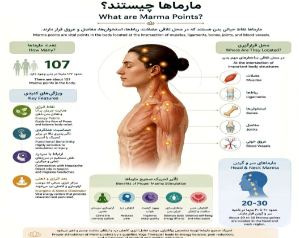
مارماها نقاط حیاتی بدن هستند که در محل تلاقی عضلات، رباطها، استخوانها، مفاصل و عروق قرار دارند.
ویژگیهای کلیدی :
نقاط انرژی: هدایت جریان پرانا و تعادل بدن–ذهن
حساسیت عملکردی: تأثیرپذیری بالا در برابر تحریک یا آسیب
ارتباط با سردرد: نقش مستقیم در سردردهای تنشی و میگرنی
تعداد: حدود ۱۰۷ مارما، که ۲۰ تا ۳۰ نقطه مربوط به سر و گردن است
مارماها علاوه بر بعد فیزیکی، مراکز انرژی حیاتی نیز محسوب میشوند و تحریک صحیح آنها موجب آرامسازی، کاهش درد و بهبود کیفیت خواب میشود.
اهمیت مارما در یوگاتراپی سردرد
مزایا:
کاهش تنش عضلانی در گردن و شانه
تنظیم سیستم عصبی (فعالسازی پاراسمپاتیک)
افزایش آگاهی بدنی و ذهنی
کاهش شدت و دفعات سردرد
بهبود جریان انرژی (پرانا)
تعریف و جایگاه مارما در سردرد
مارماها نقاطی هستند که در محل تلاقی ساختارهای فیزیکی قرار دارند و با تحریک هدفمند، بر سیستم عصبی و انرژی بدن اثر میگذارند.
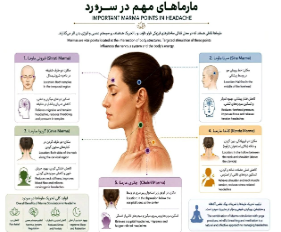
مارماهای مهم در سردرد:
شروتی مارما
سینا مارما
گریوا مارما
کاندا مارما
چکری مارما
طبقهبندی مارماها و نقش آنها در سردرد
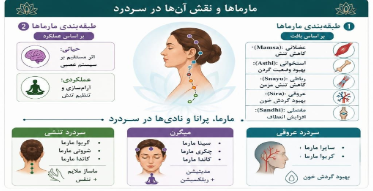
- بر اساس بافت:
عضلانی (Mamsa): کاهش تنش
استخوانی (Asthi): بهبود وضعیت گردن
رباطی (Snayu): کاهش تنش مزمن
عروقی (Sira): بهبود گردش خون
مفصلی (Sandhi): افزایش انعطاف
- بر اساس عملکرد:
حیاتی: اثر مستقیم بر سیستم عصبی
عملکردی: آرامسازی و تنظیم تنش
مارما، پرانا و نادیها در سردرد
سردرد تنشی:
گریوا مارما، شروتی مارما، کاندا مارما
ماساژ ملایم + تنفس
میگرن:
سینا مارما، چکری مارما، کاندا مارما
مدیتیشن + ریلکسیشن
سردرد عروقی:
سایرا مارما، گریوا مارما
بهبود گردش خون
نقش نادیها
تحریک مارماها موجب تنظیم جریان پرانا در نادیها و فعالسازی سیستم پاراسمپاتیک میشود
بازخوانی مارما و اثرات بالینی
فعالسازی سیستم پاراسمپاتیک
کاهش استرس و درد
بهبود کیفیت خواب
افزایش آرامش ذهنی
بهبود گردش انرژی در سر و گردن
مطالعات نشان میدهد تحریک مارماها میتواند شدت سردرد را کاهش داده و نیاز به داروهای مسکن را کم کند.
بازخوانی مارما با رویکرد تنظیم عصبی و اثرات بالینی در سردرد
تحقیقات نوین نشان میدهند که مارماها نه تنها نقاط فیزیکی بدن، بلکه مراکز ارتباطی میان سیستم انرژی و سیستم عصبی هستند. از دیدگاه یوگاتراپی و طب مکمل، تحریک هدفمند این نقاط میتواند اثرات قابل توجهی بر تنظیم عملکرد عصبی و کاهش سردرد داشته باشد.
۱. فعالسازی سیستم عصبی پاراسمپاتیک
تحریک ملایم مارماها موجب فعال شدن سیستم عصبی پاراسمپاتیک میشود که پیامدهای زیر را به همراه دارد:
کاهش تنش عضلات گردن و شانه
کاهش سطح کورتیزول (هورمون استرس)
ایجاد آرامش عمومی
کاهش دفعات و شدت سردرد
۲. کاهش درد و افزایش آرامش
تحریک مارماها میتواند مسیرهای مرتبط با ترشح اندورفین و نوروترانسمیترهای ضد درد را فعال کند:
کاهش سردردهای تنشی از طریق کاهش فشار عضلانی
بهبود کنترل سردردهای میگرنی با کاهش اسپاسم و بهبود گردش خون
۳. بهبود آگاهی بدنی و تنظیم انرژی
مارماها در ارتباط با نادیها و جریان پرانا تعریف میشوند و تحریک صحیح آنها موجب:
افزایش هماهنگی ذهن و بدن
بهبود تمرکز و آرامش ذهنی
تنظیم جریان انرژی در ناحیه سر و گردن
۴. روشهای کاربردی تحریک مارما در سردرد
ماساژ ملایم مارماهای سر، پیشانی و شقیقهها
تمرینات تنفسی (پرانایاما)
مدیتیشن و ریلکسیشن هدایتشده
تمرینات کششی و آساناهای گردن و شانه
- شواهد بالینی و پژوهشی
گزارشهای بالینی و مطالعات طب مکمل نشان میدهند:
کاهش شدت و دفعات سردرد
کاهش مصرف داروهای مسکن
بهبود کیفیت خواب
کاهش اضطراب
کاربرد مارما در یوگاتراپی سردرد (رویکرد ترکیبی)
مارماها در یوگاتراپی بهعنوان ابزار تنظیم عصبی–بدنی استفاده میشوند و در ترکیب با سایر تکنیکها اثر درمانی بیشتری ایجاد میکنند.
۱. ترکیب مارما با آساناهای یوگا
حرکات گردن و شانه (Bhujangasana، Setu Bandhasana) همراه با تحریک مارماهای گردن
وضعیت آرامساز (Balasana) همراه با تمرکز بر پیشانی و شقیقهها
۲. ترکیب مارما با پرانایاما
نادی شودانا: کاهش استرس و فعالسازی پاراسمپاتیک
کاپالابهاتی: بهبود جریان انرژی و کاهش سردردهای تنشی
۳. ترکیب مارما با مدیتیشن
تمرکز ذهن بر مارماهای پیشانی و شقیقهها
ریلکسیشن عمیق برای کاهش تنش عصبی
۴. مزایای بالینی
کاهش درد بدون دارو
بهبود خواب و کاهش اضطراب
افزایش آگاهی بدنی
پیشگیری از مزمن شدن سردرد
- نکات درمانی
تحریک باید ملایم و کنترلشده باشد
ترکیب چند روش (مارما + یوگا + تنفس) اثر را افزایش میدهد
استمرار تمرین برای اثر پایدار ضروری است
کاربردهای بالینی و شواهد پژوهشی نوین
مارماها در مطالعات طب مکمل بهعنوان نقاط کلیدی در تنظیم سیستم عصبی شناخته میشوند.
۱. کاهش درد سردرد
کاهش تنش عضلانی
افزایش ترشح اندورفین
کاهش شدت و دفعات سردرد
۲. تنظیم سیستم عصبی
فعالسازی پاراسمپاتیک
کاهش استرس و اضطراب
بهبود آرامش عضلانی
۳. بهبود آگاهی بدنی
افزایش هماهنگی ذهن–بدن
بهبود تمرکز و تعادل عصبی
۴. شواهد پژوهشی
AYUSHDHARA (2021): کاهش تنش عضلانی
Journal of Ayurveda and Integrative Medicine (2022): بهبود اضطراب و خواب
Frontiers in Neuroscience (2023): ارتباط تحریک نقاط بدن با تنظیم عصبی
نمونههای بالینی مارما در سردرد
۱. سردرد تنشی مزمن
مارماهای گردن + یوگا + تنفس
کاهش درد و کاهش دفعات سردرد
۲. میگرن مرتبط با استرس
مارماهای شقیقه و پیشانی + مدیتیشن
کاهش شدت و بهبود خواب
۳. سردرد ناشی از اختلال خواب
مارماهای سر + ریلکسیشن
بهبود خواب و کاهش سردرد صبحگاهی
تحلیل نتایج و کاربردهای عملی
افزایش هماهنگی ذهن–بدن
کاهش وابستگی به دارو
اثرات پایدار در کاهش سردرد
امکان شخصیسازی درمان
روش پیشنهادی درمان
۳ تا ۵ جلسه در هفته
۱۵ تا ۲۰ دقیقه تمرین
ترکیب: مارما + تنفس + آسانا + ریلکسیشن
بحث (Discussion)
مارماها در کنار یوگاتراپی نقش چندبعدی در کاهش سردرد دارند. تحریک این نقاط موجب تنظیم سیستم عصبی، کاهش استرس و بهبود عملکرد جسمی–ذهنی میشود.
محدودیتها:
کمبود مطالعات کنترلشده
نبود پروتکل استاندارد
نیاز به پژوهشهای طولانیمدت
نتیجهگیری:
مارماها ابزار مکمل، غیرتهاجمی و مؤثر در درمان سردرد هستند. ترکیب آنها با یوگاتراپی (آسانا، پرانایاما و مدیتیشن) موجب:
کاهش درد
کاهش استرس
بهبود خواب
افزایش هماهنگی ذهن–بدن
پیشگیری از سردردهای مزمن
ادغام دانش سنتی آیورودا با یافتههای علمی نوین، زمینهای برای کاربرد بالینی قابل اعتمادتر این روش فراهم میکند.
منابع (References / Bibliography):
Schrott, Raju. Marma Therapy: The Healing Power of Ayurvedic Vital Point Massage.
https://marmatherapy.org/product/marma-therapy/
Sushruta Samhita, Sharira Sthana – Marma Sharira.
Translation: Kaviraj Kunja Lal Bhishagratna
https://www.wisdomlib.org/hinduism/book/sushruta-samhita
Charaka Samhita
Translation: R. K. Sharma & Bhagwan Dash
https://www.wisdomlib.org/hinduism/book/charaka-samhita
Ashtanga Hridaya
Translation: K. R. Srikantha Murthy
https://www.wisdomlib.org/hinduism/book/ashtanga-hridaya
Lad, Vasant. Marma Points of Ayurveda. Narayana Verlag
https://www.narayana-verlag.com/Marma-Points-of-Ayurveda-Vasant-Lad
Effect of Marma Therapy on Pain and Functional Disability. Journal of Ayurveda and Integrative Medicine
https://pubmed.ncbi.nlm.nih.gov/37494833/
Evaluation of Pressure Pain Threshold for Marma Therapy Using Pressure Algometer: A Survey Study. AYUSHDHARA
https://ayushdhara.in/index.php/ayushdhara/article/view/150
A Historical Review on Literature of Marma Science – An Ancient Healing Technique. Asian Pacific Journal of Health Sciences
https://www.apjhs.com/index.php/apjhs/article/view/303
Understanding the Concept of Marma and Their Clinical Application in Shalya Tantra. Journal of Ayurveda and Integrated Medical Sciences
https://www.jaims.in/jaims/article/view/498
Porges, Stephen W. The Polyvagal Theory. W. W. Norton, 2011
Sapolsky, Robert. Why Zebras Don’t Get Ulcers. Holt Paperbacks, 2004
Khalsa, Sat Bir Singh et al. The Principles and Practice of Yoga in Health Care. Handspring Publishing, 2016
Marma Points Therapy: About, Benefits, Research. Healthline
https://www.healthline.com/health/marma
International Journal of AYUSH (2024). Marma Sharir and its clinical application
https://internationaljournal.org.in/journal/index.php/ijayush/article/view/1102