
Meditation in Holistic Health
From the Yoga Tradition to Professional Application in Yoga Therapy
Compiled by: Sahar Yazdani
Yoga & Meditation Teacher
Professional Member of the International Holistic Yoga Therapy Institute (IHYTI)
Introduction
When we talk about “meditation,” we often picture a person sitting silently, eyes closed, trying to calm the mind. But for those of us working in yoga, yoga therapy, and health, this image is not enough.
Meditation is not simply sitting in silence; it is not merely controlling thoughts; and it certainly does not mean completely emptying the mind. Meditation is a collection of practices for cultivating attention, awareness, observation, emotional regulation, and, in some traditions, spiritual development and deeper self-understanding.
From a holistic perspective, we do not view a person merely as a body, a mind, or a medical diagnosis. A human being is an integrated whole: the body, breath, thoughts, emotions, relationships, lifestyle, meaning, beliefs, and living environment all play a role in health and suffering.
Therefore, meditation should not be regarded merely as a “relaxation technique.” It can be a way of helping an individual return to a more conscious relationship with the totality of their experience.
In yoga therapy, meditation is one of several potentially useful tools alongside asana, pranayama, relaxation, sound, mantra, contemplative practices, and lifestyle modification. However, its selection and application should be individualized, purposeful, and safe. The International Association of Yoga Therapists (IAYT) recognizes meditation, breath practices, asana, relaxation, sound, and prayer among the tools used within the field of yoga therapy.[1][2][3]
What Is Meditation?
A Simple Definition
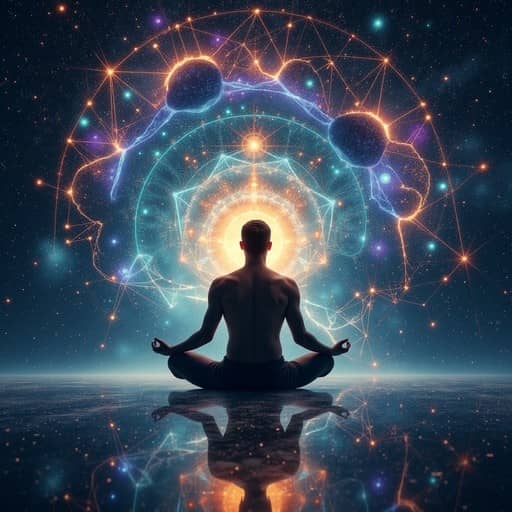
Meditation is a practice for training attention and awareness. In meditation, an individual intentionally directs attention toward the breath, body, a sound, a word, a mental image, an emotion, or the ongoing flow of moment-to-moment experience.
In contemporary scientific approaches, mindfulness refers to awareness of one’s internal state and surrounding environment, accompanied by observation and a reduction in automatic reactivity. The American Psychological Association describes mindfulness meditation as a practice associated with aspects of psychological and physical health, although its effects depend on the type of intervention, the population involved, and how the practice is delivered.[4][5][6]
What Meditation Is Not
To avoid misunderstanding, it is important to clarify that meditation is:
- Not an attempt to eliminate all thoughts.
- Not forcing oneself to be calm or positive.
- Not enduring pain, distress, or difficult memories at any cost.
- Not a substitute for medical evaluation, psychotherapy, or medication when these are necessary.
- Not a single method that produces the same effect for everyone.
The human mind produces thoughts. In many meditation practices, when we notice that the mind has wandered, we have not failed. That moment of noticing is itself an act of awareness.
The practice is the gentle return of attention.
Meditation in the Yoga Tradition
Within the yoga tradition, the inward journey is often described through concepts such as pratyahara, dharana, dhyana, and samadhi:
- Pratyahara: withdrawing, redirecting, or gathering the senses away from external distractions.
- Dharana: stabilizing and sustaining attention on a particular object or subject.
- Dhyana: a more continuous and uninterrupted flow of attention.
- Samadhi: a deeper philosophical concept interpreted differently across various yoga traditions.
However, traditional dhyana should not be equated exactly with every modern form of mindfulness. The language of the yoga tradition and the language of medical and psychological research overlap in certain areas, but their underlying frameworks and goals are not identical.
Holistic Health and Meditation
In holistic health, our question is not only:
“What symptoms does this person have?”
We also ask:
- What is the body communicating?
- What is the person’s breathing pattern like?
- What emotions are they experiencing?
- How do they relate to their thoughts?
- What is the quality of their sleep, nutrition, movement, and relationships?
- What sources of meaning, hope, connection, and support are available to them?
Meditation can play a role within this broader framework by helping individuals step back from automatic reactions and observe their experience more clearly.
Dimensions of Meditation’s Potential Application
| Dimension of Health | Potential Role of Meditation |
|---|---|
| Physical | Increasing awareness of tension, pain, posture, and breathing patterns |
| Psychological | Observing thoughts, reducing engagement with rumination, and increasing self-awareness |
| Emotional | Recognizing emotions, creating a pause before reacting, and cultivating self-compassion |
| Behavioral | Creating space between impulse and behavior and allowing more considered responses |
| Relational | Supporting presence, listening, and reduced reactivity in relationships |
| Spiritual and Existential | Connecting with meaning, intention, values, and inner experience when desired by the individual |
Here, the term holistic does not mean rejecting evidence-based medicine or psychology.
A professional holistic approach does not place medical, psychological, physical, social, and spiritual care in opposition to one another. Rather, it sees them as complementary dimensions of care.
Major Types of Meditation
Meditation is not a single method. For professional application, it is often more useful to categorize meditation according to the purpose of the practice rather than simply according to traditional names.
1. Focused-Attention Meditation
In focused-attention meditation, the individual maintains attention on a specific object or point.
The focus may be:
- The breath
- A mantra or word
- A sound
- A candle flame
- A mental image
- The sensation of the body contacting the ground
When the mind wanders, the individual gently and without self-criticism brings attention back to the chosen point of focus.
Potential application: Training attention, reducing mental distraction, and developing greater attentional stability.
Yoga therapy consideration: Prolonged or forced concentration on the breath is not appropriate for everyone. For some individuals with panic symptoms or trauma histories, focusing on the feet contacting the ground or on sounds in the environment may be more tolerable.
2. Mindfulness Meditation
In mindfulness, attention does not necessarily remain fixed on a single object.
The individual observes thoughts, emotions, sounds, and bodily sensations as they arise, without immediately labeling them as good or bad, suppressing them, or trying to change them.
For example, rather than saying:
“I am an anxious person,”
the individual may observe:
“At this moment, anxiety and worry-related thoughts are present in my mind and body.”
This subtle shift can help an individual experience thoughts and emotions as aspects of their current experience rather than as the entirety of their identity.
3. Body Scan
In a body scan, attention moves gradually through different areas of the body, for example from the feet toward the head or from the head toward the feet.
The individual may notice warmth, cold, pressure, pain, pulsation, itching, numbness, lightness, or no particular sensation at all.
The goal is not to create a special sensation. The goal is to observe bodily experience.
Professional boundary: A body scan should never become a forced confrontation with a painful or traumatic area. The client should always have the option to stop, change position, or open their eyes.
4. Loving-Kindness and Compassion Meditation
In this practice, the individual gradually offers wishes of well-being toward themselves, loved ones, neutral people, and others.
For example:
“May I be safe.
May I experience peace.
May I be kind to myself.”
In Buddhist traditions, this practice is commonly associated with metta, or loving-kindness.
Potential application: Working with self-criticism, shame, anger, and difficulties in one’s relationship with oneself.
Important caution: A client should not be asked to offer goodwill toward someone who has harmed them before they are ready. Compassion does not mean abandoning boundaries or justifying harm.
5. Mantra Meditation
In mantra meditation, a word, sound, or short phrase is repeated, either silently or aloud.
A mantra may be religious, traditional, or secular.
Potential application: Providing an anchor for attention, supporting continuity of practice, and helping some individuals reduce mental chatter.
Ethical consideration: The choice of mantra should respect the individual’s cultural background, beliefs, preferences, and consent.
6. Movement Meditation
Not everyone benefits from prolonged sitting.
In movement meditation, awareness is integrated with physical movement, such as:
- Mindful walking
- Gentle hand movements
- Gentle asana practiced with awareness of the breath
- Tai chi
- Other contemplative movement practices
This approach may be more appropriate for individuals who are restless, physically tense, fatigued, or uncomfortable with closing their eyes.
7. Guided Visualization
In guided visualization, the individual uses active imagination with the assistance of a teacher, recording, or verbal guidance.
They may imagine:
- A safe or peaceful place
- Light
- Nature
- A healing image
- A calming scenario
Potential application: Relaxation, restoring a sense of safety, and supporting concentration.
However, visualization is not suitable for everyone. Some individuals have limited ability to form mental images, while for others, mental imagery can increase anxiety or distress.
8. Vipassana and Traditional Buddhist Meditation
Vipassana should not be reduced simply to “body scanning for relaxation.”
Within Buddhist traditions, vipassana is associated with careful observation of experience and the cultivation of insight into impermanence, suffering, and patterns of mental reactivity.
Modern mindfulness has been influenced by several Buddhist traditions, but it is often presented in a more secular framework, with an emphasis on psychological goals such as stress management, emotional regulation, and well-being.
9. Tibetan Meditation
“Tibetan meditation” is not a single technique. It refers to a broad range of practices within Tibetan Buddhist traditions.
These may include:
- Mantra
- Visualization
- Compassion practices
- Tonglen
- Analytical meditation
Using a Tibetan singing bowl or Tibetan music by itself does not constitute Tibetan meditation.
In a professional presentation, it is useful to distinguish between the use of sound-based tools for relaxation and the deeper contemplative traditions from which particular practices originate.
Meditation in Yoga Therapy
In yoga therapy, the central question is not:
“What is the best meditation?”
Rather, the question is:
“For this individual, with this particular condition, at this stage, what type of practice is likely to be useful, tolerable, and safe?”
A Framework for Selecting a Practice
| Client Situation or Goal | A Cautious Starting Point |
|---|---|
| Everyday stress | 3–5 minutes of awareness of the breath or contact of the feet with the ground |
| Restlessness and difficulty sitting | Mindful walking or mindful movement |
| Sleep difficulties | Gentle body scan or relaxation before sleep |
| Self-criticism and shame | Self-compassion practice using optional, non-coercive language |
| Chronic pain | Body awareness with freedom to change position and appropriate medical care |
| Anxiety and panic | Eyes open, attention directed toward the environment, and external grounding |
| Trauma history | Short, choice-based practices emphasizing safety and personal control |
| Spiritual or traditional practice | Mantra, prayer, intention, or meditation consistent with the individual’s beliefs and wishes |
Meditation in yoga therapy can be integrated into a simple sequence:
- Arrival and assessment of the client’s current state
- Gentle movement or asana
- An appropriate breathing practice
- Relaxation or body-based grounding
- Brief meditation
- Gradual return and closing conversation
This sequence helps prevent meditation from being viewed as something completely separate from the body and breath.
Scientific Perspective and Evidence
It is important to discuss both the potential benefits of meditation and the limitations of the evidence.
Systematic reviews have found that some mindfulness-based programs may produce small to moderate improvements in anxiety, depression, and certain aspects of stress compared with no treatment. However, this does not mean that meditation is superior in every case to cognitive behavioral therapy, medication, exercise, or other active interventions.[7][8][9]
The U.S. National Center for Complementary and Integrative Health (NCCIH) also reports that mindfulness and meditation practices may be helpful for some people in areas such as anxiety, depression, stress, certain sleep problems, and some forms of chronic pain. However, the strength and quality of evidence vary depending on the condition and intervention.[10][11]
Therefore, the most accurate and responsible way to communicate the evidence is:
“Meditation may be beneficial for some individuals, under some circumstances, as part of complementary care; however, the type of practice, quality of instruction, individual characteristics, and coordination with other health services are all important.”
Safety and Professional Boundaries
Meditation is generally considered low-risk for many people, but it is not completely risk-free.
Research has documented that some individuals may experience anxiety, low mood, pain, restlessness, or unpleasant cognitive experiences in connection with meditation practice.[12][13]
Safety Principles for Teachers and Yoga Therapists
- Closing the eyes should always be optional.
- The individual should be free to change their body position.
- Breathing practices should not involve force, strain, or unnecessary breath retention.
- Clients should never be pressured to tolerate pain or distress.
- The teacher’s language should be invitational rather than commanding:
“If you would like to…”
“You may notice…” - A client’s experience should not immediately be interpreted using claims such as “energy cleansing” or “trauma release.”
- If anxiety, dissociation, insomnia, symptoms of mania, psychosis, or thoughts of self-harm intensify, the practice should be stopped and appropriate professional referral should be considered.
Meditation can be a complement to treatment, but it is not a substitute for medical diagnosis, medical treatment, or psychotherapy.
The World Health Organization also emphasizes the identification of mental health needs, appropriate support, and referral when necessary.[14][15][16]
A Short Closing Practice
You may conclude the presentation with the following brief practice:
“If you are comfortable, find a seated position that feels both stable and soft. You do not need to close your eyes.
First, notice the contact of your body with the chair or the ground. Simply notice how your body is being supported right now.
Then, without changing your breathing, feel three natural cycles of inhalation and exhalation.
If a thought arises, you do not need to push it away. Simply notice that a thought has appeared, and gently bring your attention back to the sensations of the body or to the breath.
At the end, take a moment to ask yourself:
‘What is happening in my body, my breathing, and my mind right now?’
There is no right or wrong answer. Simply observe.”
Final Reflection
From a holistic perspective, meditation is not a technique for escaping life. It is a practice for being more consciously present in life.
Meditation may help an individual:
- Listen to the body more carefully.
- Become more aware of breathing and physiological arousal.
- Create space between a thought and a reaction.
- Respond to emotions with greater kindness and responsibility.
- Connect more deeply with values, meaning, and the direction of their life.
However, in professional yoga therapy, meditation becomes most valuable when it is individualized, choice-based, appropriate to the client’s capacity, guided by clear professional boundaries, and aligned with evidence and safety.
Holistic health means seeing the whole person.
Meditation can be one of the ways of returning to that sense of wholeness—not as an answer to everything, but as a conscious, humble, and deeply human practice.
References
[1] International Association of Yoga Therapists (IAYT). Yoga Therapy Definition.
IAYT – Yoga Therapy Definition
[2] International Association of Yoga Therapists (IAYT). Current Illustrative Scope of Practice.
IAYT – Current Illustrative Scope of Practice
[3] International Association of Yoga Therapists (IAYT). Scope of Practice.
IAYT – Scope of Practice PDF
[4] American Psychological Association. Mindfulness.
APA – Mindfulness
[5] American Psychological Association. Meditation.
APA – Meditation
[6] American Psychological Association. Mindfulness and related psychological research.
APA – Continuing Education / Mindfulness
[7] PubMed. Systematic review/meta-analysis.
PubMed – PMID 24395196
[8] PubMed. Systematic review/meta-analysis.
PubMed – PMID 24501780
[9] PubMed. Systematic review/meta-analysis.
PubMed – PMID 29126747
[10] National Center for Complementary and Integrative Health (NCCIH). Meditation and Mindfulness: Effectiveness and Safety.
NCCIH – Meditation and Mindfulness
[11] National Center for Complementary and Integrative Health (NCCIH). Eight Things to Know About Meditation and Mindfulness.
NCCIH – Eight Things to Know
[12] PubMed. Meditation-related adverse experiences.
PubMed – PMID 32820538
[13] PubMed. Meditation-related adverse effects and safety.
PubMed – PMID 35464906
[14] World Health Organization. Mental health guidance.
WHO – Mental Health Guidance
[15] World Health Organization. Evidence review on anxiety.
WHO – Anxiety Evidence Review
[16] World Health Organization. Mental health guidance and referral.
WHO – Mental Health Resources
Additional Persian-language resources provided in the original material:
Wikipedia – Holistic Medicine (Persian)
TVF – What Is Meditation?
Yoga Therapy Resource
Snapp Doctor – What Is Meditation?
Yoga Therapy Resource
International Holistic Yoga Therapy Institute (IHYTI)
www.ihyti.com
از سنت یوگا تا کاربرد حرفهای در یوگا تراپی
گردآوری: سحر یزدانی
معلم یوگا و مدیتیشن
عضو حرفهای انستیتو بینالمللی یوگاتراپی کلنگر (IHYTI)
مقدمه:
وقتی از «مدیتیشن» سخن میگوییم، اغلب تصویری از فردی را میبینیم که در سکوت نشسته، چشمهایش را بسته و تلاش میکند ذهنش را آرام کند. اما برای ما که در حوزه یوگا، یوگاتراپی و سلامت کار میکنیم، این تصویر کافی نیست.
مدیتیشن فقط نشستن در سکوت نیست؛ فقط کنترل افکار نیست؛ و قطعاً به معنای خالیکردن کامل ذهن هم نیست. مدیتیشن مجموعهای از تمرینهاست برای پرورش توجه، آگاهی، مشاهده، تنظیم پاسخهای هیجانی و در برخی سنتها، رشد معنوی و شناخت عمیقتر خود.
در رویکرد کلنگر، انسان را صرفاً بهعنوان بدن، ذهن یا تشخیص پزشکی نمیبینیم. انسان یک کلیت است: بدن، تنفس، افکار، هیجانها، روابط، سبک زندگی، معنا، باورها و محیط زندگی او در سلامت و رنج او نقش دارند. بنابراین مدیتیشن نیز نباید فقط یک «تکنیک آرامسازی» تلقی شود؛ بلکه میتواند راهی برای بازگرداندن فرد به ارتباط آگاهانهتر با تمامیت وجودش باشد.
در یوگاتراپی، مدیتیشن در کنار آسانا، پرانایاما، آرامسازی، صوت، مانترا، مراقبه و اصلاح سبک زندگی یکی از ابزارهای قابلاستفاده است؛ اما انتخاب آن باید فردمحور، هدفمند و ایمن باشد. انجمن بینالمللی یوگاتراپی نیز مدیتیشن، تمرین تنفس، آسانا، آرامسازی، صوت و نیایش را از ابزارهای حوزه یوگاتراپی میشمارد.[1][2][3]
مدیتیشن چیست؟
تعریف ساده
مدیتیشن یا مراقبه، تمرینی برای آموزش توجه و آگاهی است. در آن، فرد بهطور آگاهانه توجه خود را بر تنفس، بدن، یک صدا، یک واژه، یک تصویر ذهنی، یک احساس یا جریان تجربه لحظهبهلحظه قرار میدهد.
در رویکردهای علمی معاصر، ذهنآگاهی به معنای آگاهی از وضعیت درونی و محیط پیرامون است؛ آگاهیای که با مشاهده و کاهش واکنشهای خودکار همراه میشود. انجمن روانشناسی آمریکا نیز مدیتیشن ذهنآگاهی را تمرینی مرتبط با بهبود سلامت روانی و جسمی میداند، هرچند اثر آن به نوع مداخله، جمعیت هدف و شیوه اجرا وابسته است.[4][5][6]
مدیتیشن چه نیست؟
برای جلوگیری از سوءبرداشت، لازم است بگوییم مدیتیشن:
- تلاش برای حذف کامل افکار نیست.
- اجبار به آرامبودن یا مثبتاندیشی نیست.
- تحمل درد، ناراحتی یا خاطرات دشوار به هر قیمت نیست.
- جایگزین ارزیابی پزشکی، رواندرمانی یا دارودرمانی در شرایط لازم نیست.
- یک روش واحد با اثری یکسان برای همه افراد نیست.
ذهن انسان فکر تولید میکند. در بسیاری از روشهای مدیتیشن، وقتی متوجه میشویم ذهن منحرف شده، شکست نخوردهایم؛ بلکه همان لحظه، آگاهی رخ داده است. تمرین اصلی، بازگرداندن ملایم توجه است.
مدیتیشن در سنت یوگا
در سنت یوگا، مسیر درونی معمولاً با مفاهیمی مانند پراتیاهارا، دارانا، دیانا و سامادهی توضیح داده میشود:
- پراتیاهارا: بازگرداندن یا جمعکردن حواس از پراکندگی بیرونی
- دارانا: تثبیت و نگهداشتن توجه بر یک موضوع
- دیانا: تداوم روانتر و عمیقتر جریان توجه
- سامادهی: مفهومی عمیقتر و فلسفیتر که در سنتهای مختلف یوگا تفسیرهای متفاوتی دارد
اما نباید دیانای سنتی را دقیقاً معادل هر شکل از mindfulness مدرن بدانیم. زبان سنت یوگا و زبان پژوهش پزشکی همپوشانی دارند، ولی هدفها و مبانی آنها یکسان نیستند.
سلامت کلنگر و مدیتیشن
در سلامت کلنگر، پرسش ما فقط این نیست که «این فرد چه علامتی دارد؟» بلکه میپرسیم:
- بدن او چه میگوید؟
- الگوی تنفس او چگونه است؟
- چه هیجانهایی را تجربه میکند؟
- چگونه با افکارش رابطه دارد؟
- کیفیت خواب، تغذیه، حرکت و روابط او چگونه است؟
- چه منابعی برای معنا، امید، ارتباط و حمایت دارد؟
مدیتیشن میتواند در این نقشه وسیع، به فرد کمک کند از حالت واکنش خودکار فاصله بگیرد و تجربهاش را دقیقتر ببیند.
ابعاد کاربرد مدیتیشن
| بُعد سلامت | نقش بالقوه مدیتیشن |
| جسمانی | افزایش آگاهی از تنش، درد، وضعیت بدن و کیفیت تنفس |
| روانشناختی | مشاهده افکار، کاهش درگیری با نشخوار ذهنی و افزایش خودآگاهی |
| هیجانی | تشخیص هیجان، مکث پیش از واکنش و پرورش شفقت به خود |
| رفتاری | ایجاد فاصله میان تکانه و رفتار؛ انتخاب پاسخ سنجیدهتر |
| ارتباطی | تقویت حضور، گوشدادن و کاهش واکنشپذیری در روابط |
| معنوی و وجودی | پیوند با معنا، نیت، ارزشها و تجربه درونی، در صورت تمایل فرد |
در اینجا، واژه کلنگر به معنای نفی پزشکی یا روانشناسی مبتنی بر شواهد نیست. رویکرد کلنگرِ حرفهای، مراقبت پزشکی، روانشناختی، جسمی، اجتماعی و معنوی را در تقابل با هم قرار نمیدهد؛ بلکه آنها را مکمل یکدیگر میبیند.
انواع اصلی مدیتیشن
مدیتیشن یک روش واحد نیست. برای استفاده حرفهای، بهتر است آن را بر پایه «هدف تمرین» دستهبندی کنیم، نه صرفاً بر اساس نامهای سنتی.
۱. مدیتیشن تمرکزی
در مدیتیشن تمرکزی، فرد توجه خود را بر یک نقطه یا موضوع مشخص نگه میدارد.
موضوع تمرکز ممکن است اینها باشد:
- تنفس
- مانترا یا یک واژه
- صدا
- شعله شمع
- تصویر ذهنی
- حس تماس بدن با زمین
وقتی ذهن منحرف میشود، فرد بدون سرزنش، توجه را به نقطه تمرکز بازمیگرداند.
کاربرد بالقوه: تمرین توجه، کاهش پراکندگی ذهن و ایجاد ثبات نسبی.
نکته برای یوگاتراپی: تمرکز طولانی و اجباری بر تنفس برای همه مناسب نیست؛ در برخی افراد با پانیک یا تروما، تمرکز بر تماس پا با زمین یا صدای محیط ممکن است ایمنتر باشد.
۲. مدیتیشن ذهنآگاهی
در ذهنآگاهی، توجه فقط روی یک موضوع ثابت باقی نمیماند. فرد افکار، هیجانها، صداها و احساسات بدنی را همانگونه که هستند مشاهده میکند؛ بدون اینکه لازم باشد آنها را خوب یا بد بداند، سرکوب کند یا فوراً تغییر دهد.
مثلاً فرد به جای اینکه بگوید «من آدم مضطربی هستم»، میتواند مشاهده کند: «در این لحظه، اضطراب و افکار نگرانی در ذهن و بدن من حاضر هستند.»
این تفاوت ظریف، به فرد کمک میکند افکار و هیجانها را بخشی از تجربه بداند، نه تمام هویت خود.
۳. اسکن بدن
در اسکن بدن، توجه بهصورت تدریجی در بدن حرکت میکند: از پاها به سر یا از سر به پاها.
فرد ممکن است گرما، سرما، فشار، درد، ضربان، خارش، کرختی، سبکی یا هیچ حس خاصی را تجربه کند. هدف، ایجاد حس ویژه نیست؛ هدف، مشاهده تجربه بدنی است.
کاربرد بالقوه: افزایش آگاهی بدنی، شناسایی تنش و همراهی با آرامسازی.
مرز حرفهای: اسکن بدن نباید به اجبار برای مواجهه با ناحیه دردناک یا تجربه تروماتیک تبدیل شود. مراجع باید همیشه امکان توقف، تغییر وضعیت یا بازکردن چشمها را داشته باشد.
۴. مدیتیشن شفقت و محبت
در این روش، فرد بهتدریج آرزوهای خیرخواهانه را برای خود، عزیزان، افراد خنثی و دیگران بیان میکند؛ برای نمونه:
«باشد که در امنیت باشم؛
باشد که آرامش داشته باشم؛
باشد که با خودم مهربان باشم.»
این تمرین در رویکردهای بودایی با عنوان متا یا loving-kindness شناخته میشود.
کاربرد بالقوه: کار با خودانتقادی، شرم، خشم و دشواری در رابطه با خود.
هشدار: از مراجع نباید خواسته شود پیش از آمادگی، برای فردی که به او آسیب زده آرزوی خیر کند. شفقت، انکار مرزها یا توجیه آسیب نیست.
۵. مدیتیشن مانترا
در این روش، یک واژه، صوت یا عبارت کوتاه بارها تکرار میشود. مانترا میتواند مذهبی، سنتی یا سکولار باشد.
کاربرد بالقوه: ایجاد لنگر توجه، تداوم تمرین و کمک به برخی افراد برای کاهش گفتوگوی ذهنی.
نکته اخلاقی: انتخاب مانترا باید با زمینه فرهنگی، باورها و رضایت فرد هماهنگ باشد.
۶. مدیتیشن حرکتی
همه مراجعان با نشستن طولانی ارتباط نمیگیرند. در مدیتیشن حرکتی، آگاهی با حرکت پیوند میخورد:
- پیادهروی آگاهانه
- حرکت آرام دستها
- آساناهای ملایم همراه با توجه به تنفس
- تایچی یا حرکت مراقبهای
این روش برای افراد بیقرار، پرتنش، خسته یا کسانی که بستن چشم برایشان دشوار است، میتواند مناسبتر باشد.
۷. تجسم هدایتشده
در تجسم هدایتشده، فرد با کمک راهنما، صوت یا تخیل فعال، مکانی امن، نور، طبیعت، تصویر شفابخش یا سناریویی آرامشبخش را تصور میکند.
کاربرد بالقوه: آرامسازی، بازیابی حس امنیت و تمرکز.
نکته: تجسم برای همه افراد مناسب نیست. برخی افراد تصویر ذهنی ضعیفی دارند یا تصاویر ذهنی میتواند برایشان اضطرابزا باشد.
۸. ویپاسانا و مدیتیشنهای سنتی بودایی
ویپاسانا را نمیتوان صرفاً «اسکن بدن برای آرامش» دانست. در سنت بودایی، ویپاسانا با مشاهده دقیق تجربه و پرورش بینش نسبت به ناپایداری، رنج و واکنشهای ذهنی پیوند دارد.
ذهنآگاهی مدرن از برخی سنتهای بودایی الهام گرفته است، اما معمولاً در قالبی سکولارتر و با تمرکز بر اهداف روانشناختی مانند مدیریت استرس، تنظیم هیجان و بهزیستی عرضه میشود.
۹. مدیتیشن تبتی
«مدیتیشن تبتی» یک تکنیک واحد نیست؛ مجموعهای از تمرینها در سنتهای بودایی تبتی است که میتواند شامل مانترا، تجسم، شفقت، تونگلن و مراقبههای تحلیلی باشد.
استفاده از کاسه تبتی یا موسیقی تبتی بهتنهایی به معنای انجام مدیتیشن تبتی نیست. در سخنرانی حرفهای، بهتر است میان ابزارهای صوتی آرامبخش و سنتهای عمیق مراقبهای تمایز بگذاریم.
مدیتیشن در یوگاتراپی
در یوگاتراپی، پرسش اصلی این نیست که «بهترین مدیتیشن چیست؟» بلکه این است:
«برای این فرد، با این وضعیت، در این مرحله، چه نوع تمرینی مفید، قابلتحمل و ایمنتر است؟»
مدل انتخاب تمرین
| وضعیت یا هدف مراجع | نقطه شروع محتاطانه |
| استرس روزمره | ۳ تا ۵ دقیقه توجه به تنفس یا تماس پا با زمین |
| بیقراری و ناتوانی در نشستن | پیادهروی یا حرکت آگاهانه |
| بیخوابی | اسکن بدن ملایم یا آرامسازی پیش از خواب |
| خودانتقادی و شرم | تمرین شفقت به خود، با زبان اختیاری |
| درد مزمن | آگاهی بدنی همراه با آزادی تغییر وضعیت و مراقبت پزشکی |
| اضطراب و پانیک | چشمهای باز، توجه به محیط و تمرکز بیرونی |
| سابقه تروما | تمرین کوتاه، انتخابمحور، با تأکید بر ایمنی و کنترل فرد |
| تجربه معنوی و سنتی | مانترا، ذکر، نیت یا مراقبه متناسب با باور و خواست فرد |
مدیتیشن در یوگاتراپی میتواند در یک توالی ساده قرار بگیرد:
- ورود و ارزیابی حال مراجع
- حرکت یا آسانای ملایم
- تمرین تنفسی مناسب
- آرامسازی یا تمرکز بدنی
- مدیتیشن کوتاه
- بازگشت تدریجی و گفتوگوی پایانی
این توالی کمک میکند مدیتیشن جدا از بدن و تنفس دیده نشود.
نگاه علمی و شواهد
لازم است هم به ظرفیتهای مدیتیشن اشاره کنیم و هم به محدودیتهای شواهد.
مرورهای نظاممند نشان دادهاند که برخی برنامههای مبتنی بر ذهنآگاهی ممکن است در مقایسه با نبود درمان، در کاهش اضطراب، افسردگی و برخی ابعاد استرس اثرات کوچک تا متوسطی داشته باشند. اما این به آن معنا نیست که مدیتیشن در همه موارد از درمان شناختیرفتاری، دارو، ورزش یا دیگر مداخلات فعال بهتر است.[7][8][9]
مرکز ملی سلامت مکمل و تلفیقی آمریکا نیز گزارش میکند که تمرینهای ذهنآگاهی ممکن است برای بعضی افراد در حوزه اضطراب، افسردگی، استرس، برخی مشکلات خواب و بعضی دردهای مزمن مفید باشند؛ بااینحال، کیفیت شواهد میان موضوعات متفاوت است.[10][11]
پس زبان دقیق و مسئولانه ما این است:
«مدیتیشن میتواند برای برخی افراد، در برخی شرایط، بهعنوان بخشی از مراقبت مکمل، مفید باشد؛ اما نوع تمرین، کیفیت آموزش، ویژگیهای فرد و همکاری با سایر خدمات سلامت اهمیت دارد.»
ایمنی و مرز حرفهای
مدیتیشن برای بسیاری از افراد کمخطر است، اما بیخطر مطلق نیست. در پژوهشها، برخی افراد اضطراب، خلق پایین، درد، بیقراری یا تجربههای ناخوشایند شناختی را در ارتباط با تمرین مدیتیشن گزارش کردهاند.[12][13]
اصول ایمنی برای مربی و یوگاتراپیست
- بستن چشم باید اختیاری باشد.
- تغییر وضعیت بدن باید آزاد باشد.
- تمرین تنفسی نباید با زور، حبس نفس یا فشار همراه شود.
- مراجع نباید برای تحمل درد یا ناراحتی تحت فشار قرار گیرد.
- زبان مربی باید دعوتکننده باشد، نه دستوری: «اگر مایل هستید…»، «ممکن است متوجه شوید…»
- تجربه مراجع را نباید فوراً با عباراتی مانند «پاکسازی انرژی» یا «رهایی تروما» تفسیر کرد.
- در صورت تشدید اضطراب، گسستگی، بیخوابی، علائم مانیا، روانپریشی یا افکار خودآسیبرسان، تمرین باید متوقف و ارجاع تخصصی انجام شود.
مدیتیشن میتواند مکمل درمان باشد؛ اما جایگزین تشخیص، درمان پزشکی یا رواندرمانی نیست. سازمان جهانی بهداشت نیز بر شناسایی نیازهای سلامت روان، حمایت مناسب و ارجاع در موارد لازم تأکید دارد.[14][15][16]
تجربه کوتاه پایانی
تمرینی کوتاه:
«اگر راحت هستید، در وضعیت نشستهای قرار بگیرید که هم پایدار و هم نرم باشد. لازم نیست چشمها را ببندید.
ابتدا، تماس بدن با صندلی یا زمین را احساس کنید. فقط متوجه شوید که بدن اکنون چگونه حمایت میشود.
سپس، بدون تغییر دادن تنفس، سه چرخه دم و بازدم طبیعی را حس کنید.
اگر فکری آمد، لازم نیست آن را دور کنید. فقط متوجه شوید که فکر آمده است و توجه را به حس بدن یا تنفس بازگردانید.
در پایان، یک لحظه از خود بپرسید: اکنون، در بدن، تنفس و ذهن من چه میگذرد؟
هیچ پاسخ درست یا غلطی وجود ندارد؛ فقط مشاهده کنید.»
جمعبندی نهایی
مدیتیشن در نگاه کلنگر، تکنیکی برای فرار از زندگی نیست؛ تمرینی برای حضور آگاهانهتر در زندگی است.
مدیتیشن میتواند به فرد کمک کند:
- بدنش را بهتر بشنود.
- تنفس و برانگیختگی خود را بشناسد.
- فاصلهای میان فکر و واکنش ایجاد کند.
- با هیجانها مهربانتر و مسئولانهتر برخورد کند.
- با ارزشها، معنا و مسیر زندگی خود تماس بیشتری داشته باشد.
اما در یوگاتراپی حرفهای، مدیتیشن زمانی ارزشمند است که فردمحور، انتخابمحور، متناسب با ظرفیت مراجع، دارای مرزهای روشن و همسو با شواهد و ایمنی باشد.
سلامت کلنگر به معنای دیدن تمامیت انسان است؛ و مدیتیشن میتواند یکی از راههای بازگشت به این تمامیت باشد—نه بهعنوان پاسخ همهچیز، بلکه بهعنوان تمرینی آگاهانه، متواضعانه و انسانی.
منابع:
- https://www.iayt.org/?page=YogaTherapyDefinitio
- https://www.iayt.org/?page=CurrentIllustrativeS
- https://www.iayt.org/resource/resmgr/docs_certification_all/docs_certification/scopeofpractice/2016-09-01_iayt_scope_of_pra.pdf
- https://www.apa.org/topics/mindfulness
- https://www.apa.org/topics/mindfulness/meditation
- https://www.apa.org/monitor/2012/07-08/ce-corner
- https://pubmed.ncbi.nlm.nih.gov/24395196/
- https://pubmed.ncbi.nlm.nih.gov/24501780/
- https://pubmed.ncbi.nlm.nih.gov/29126747/
- https://www.nccih.nih.gov/health/meditation-and-mindfulness-effectiveness-and-safety
- https://www.nccih.nih.gov/health/tips/8-things-to-know-about-meditation-and-mindfulness
- https://pubmed.ncbi.nlm.nih.gov/32820538/
- https://pubmed.ncbi.nlm.nih.gov/35464906/
- https://iris.who.int/server/api/core/bitstreams/93e56376-0e64-4a08-bdd0-703313be5354/content
- https://cdn.who.int/media/docs/default-source/mental-health/mhgap/mhgap-anxiety-evidence-review-report(29012024)_eb.pdf?sfvrsn=5b6883e2_3
- https://iris.who.int/server/api/core/bitstreams/18444197-dcad-4b22-9b3a-6355b26ca8a0/content
- https://fa.wikipedia.org/wiki/پزشکی_کلنگر
- https://bioresonancetoba.ir/knowledge-base/پزشکی-رایج/
- https://tvf.ir/what-is-meditation/
- https://www.resiliency.ir/تاب-آوری-نتیجه-سلامتی-تمام-وجود-شماست/
- https://wavetomatter.com/holistic-medicine/
- https://civilica.com/doc/2365667/
- https://drmirabdollah.com/طب-کل-نگر/
- https://www.digikala.com/mag/meditation-benefits/
- https://namnak.com/مدیتیشن.p166
- https://tafteh.ir/blog/یوگا-تراپی/
- https://snapp.doctor/blog/what-is-meditation/
- https://blog.drsaina.com/mental-health/meditation-mindfulness-mental-health/
- https://www.ihyti.com/research/meditation-mindfulness/
انستیتو بین المللی یوگا تراپی کل نگر
www.ihyti.com