
Compiled by:
Dr. Masoumeh Mohamadkhani (Ph.D.)
Scientific Member of the International Association of Yoga Therapists (IAYT)
International Holistic Yoga Therapy Institute (IHYTI)
Yoga and Modern Dietary Therapy in Contemporary Health: From Metabolic Balance to the Modification of Eating Behaviors
Introduction: The Integration of Yoga and Modern Nutrition
In today’s fast-paced and high-stress world, human health more than ever requires a comprehensive and integrative approach. Modern lifestyles characterized by unhealthy dietary habits, chronic stress, and physical inactivity have contributed significantly to the rising prevalence of metabolic disorders, cardiovascular diseases, hypertension, Alzheimer’s disease, diabetes, and various psychological problems. Under such circumstances, a return to natural approaches and holistic medicine, such as yoga and balanced, appropriate, and diverse nutrition, can serve as a bridge between the body, mind, and psyche, opening new pathways toward sustainable health promotion.
Yoga, as both a philosophy and a way of life, integrates physical postures (asanas), breathing techniques (pranayama), and meditation, with the aim of creating harmony among bodily and mental systems. These practices contribute to the prevention and management of chronic diseases by reducing stress, improving neuroendocrine function, and enhancing body awareness.
In parallel, a balanced, appropriate, and diverse dietary pattern tailored to individual conditions and needs plays a key role in health promotion and disease management. Various dietary patterns, such as the Mediterranean, DASH, MIND diets, and other similar dietary patterns…, are not only effective in controlling obesity and inflammatory conditions, but evidence also suggests that they contribute to the prevention and management of cardiovascular diseases, metabolic syndrome, hypertension, and neurological disorders such as Alzheimer’s disease and cognitive decline. Numerous studies have demonstrated that the integration of yoga and modern dietary therapy exerts significant effects on the control of metabolic syndrome, obesity, type 2 diabetes, and hypertension. Yoga practice, by enhancing parasympathetic activity and restoring balance in the stress-response axis, leads to reductions in blood pressure, blood glucose, and lipid levels, while anti-inflammatory and antioxidant-rich dietary patterns improve cardiovascular health and brain function.
This integration influences not only physiological dimensions but also psychological aspects of health. By fostering mindfulness and body acceptance, yoga helps individuals better understand their eating patterns and develop a healthier relationship with food and body image an essential factor in the prevention and treatment of eating disorders.
Overall, the combination of yoga and scientifically grounded healthy nutrition, including dietary patterns such as the Mediterranean and MIND diets, can be considered one of the most effective and natural strategies for health improvement. This approach, through the integration of science and awareness across the dimensions of body, mind, and spirit, guides individuals toward balance, tranquility, and lasting well-being.

- Combined Effects of Yoga and Nutrition on Metabolic Syndrome
Metabolic syndrome (MetS) is a cluster of multiple risk factors, including abdominal obesity, elevated blood pressure, hyperglycemia, high triglyceride levels, and reduced high-density lipoprotein (HDL) cholesterol. This condition not only increases the risk of type 2 diabetes and cardiovascular diseases but is also associated with a significant decline in quality of life.
In a recent clinical study involving 300 individuals with metabolic syndrome, researchers investigated the effects of lifestyle modification through yoga practice and healthy nutrition. Participants were classified according to the NCEP ATP III criteria and were randomly assigned to three groups: a control group, a yoga-only group, and a yoga plus dietary intervention group. The intervention period lasted six months.
The results demonstrated that participants who followed yoga alone or a combination of yoga and a balanced diet experienced significant reductions in waist circumference, systolic and diastolic blood pressure, fasting blood glucose, and triglyceride levels. In contrast, levels of high-density lipoprotein (HDL) cholesterol increased significantly. Moreover, health-related quality of life scores (SF-36) showed a substantial improvement after three and six months, indicating meaningful enhancements in both physical and psychological well-being.
These findings suggest that the integration of yoga and healthy nutrition represents a natural, safe, and effective strategy for reducing metabolic risk factors, improving physiological function, and enhancing quality of life. Implementing these two interventions simultaneously not only contributes to better control of metabolic disorders but also promotes positive cognitive and behavioral changes, guiding individuals toward a healthier and more sustainable lifestyle (Table 1) [1].
Table 1. Daily dietary plan for the combine (yoga + dietary) intervention group

Key points:
- Adequate water intake (8–10 glasses per day)
- Limiting the consumption of fried foods, sweets, and fast food
- Using healthy oils such as olive oil or sesame oil
- Avoiding excessive intake of salt and sugar
- Performing daily yoga practice, including asanas and pranayama, for 45 minutes

- Yoga and Nutrition in the Control and Prevention of Obesity
Obesity is one of the major global health challenges of the modern era and is associated with an increased risk of chronic diseases, such as type 2 diabetes and cardiovascular disorders, as well as a reduced quality of life. Conventional treatment strategies typically focus on dietary modification and physical activity; however, holistic medicine approaches, such as yoga and nutritional optimization, which aim to establish balance among the body, mind, and emotions, have gained increasing recognition in the control and prevention of obesity.
Yoga, which integrates physical postures, breathing techniques (pranayama), and meditation, not only enhances energy expenditure and metabolic function but also contributes to the regulation of eating behaviors by reducing stress, improving hormonal balance, and increasing body awareness. This comprehensive approach exemplifies the holistic benefits of yoga, addressing both physical and psychological dimensions of health (2).
In a case report, a 38-year-old man with severe obesity (BMI = 44 kg/m²) experienced significant weight reduction after participating in an eight-week structured yoga program that included Pawanmuktasana Series-3 movements, Nadishodhana pranayama, and rapid relaxation techniques. The participant’s body weight decreased from 114 to 107 kg, body mass index declined from 44 to 41.3 kg/m², and the waist-to-hip ratio was reduced from 0.92 to 0.86. In addition, marked reductions in perceived stress levels and improvements in mood were observed, highlighting the positive psychological effects of yoga on the weight reduction process (3).
Overall, the evidence suggests that yoga, through a holistic approach and its simultaneous effects on the nervous, hormonal, and metabolic systems, can effectively contribute to body fat reduction, appetite regulation, and improvements in mental health. When combined with a balanced dietary pattern, yoga may serve as a practical, natural, and effective tool for obesity management and the prevention of its metabolic complications.

- Yoga, Antioxidants, and Anti-Inflammatory Nutrition (Mediterranean Diet)
Given the increasing prevalence of diseases associated with chronic inflammation and oxidative stress—including cardiovascular diseases, type 2 diabetes, and metabolic syndrome—recent research has increasingly focused on anti-inflammatory dietary patterns and balanced lifestyle approaches. One of the most prominent models in this context is the Mediterranean anti-inflammatory food pyramid, which, when combined with mind–body interventions such as yoga, can play a substantial role in reducing inflammatory and oxidative processes.
Recent studies have demonstrated that a healthy lifestyle incorporating an anti-inflammatory Mediterranean diet exerts significant effects on improving inflammatory markers, oxidative stress indices, and adipokine regulation in individuals with metabolic syndrome. The Mediterranean diet emphasizes the consumption of antioxidant-rich foods such as fruits, vegetables, whole grains, olive oil, fish, and nuts, while limiting the intake of red meat, refined sugars, and saturated fats (4). This dietary pattern has been shown to reduce the production of pro-inflammatory cytokines, including tumor necrosis factor-alpha (TNF-α) and interleukin-6 (IL-6), while enhancing the body’s antioxidant capacity, particularly through the activity of enzymes such as superoxide dismutase (SOD), thereby serving as an effective strategy for mitigating chronic inflammation (5).
On the other hand, yoga, as a comprehensive mind–body intervention, positively influences the hypothalamic–pituitary–adrenal (HPA) axis, reduces psychological stress, enhances parasympathetic activity, and improves immune system function, collectively contributing to the regulation of inflammatory and oxidative processes (6). In a randomized controlled trial (RCT) conducted by Yadav et al. in 2018 at the Center for Integrative Health, University of Delhi Medical Sciences, 260 individuals with metabolic syndrome were assigned to either a yoga-based lifestyle intervention (YBLI) group or a dietary intervention (DI) group. The results revealed that after 12 weeks, the YBLI group exhibited significant reductions in leptin levels, the leptin-to-adiponectin ratio, IL-6, and oxidative stress markers, alongside significant increases in adiponectin levels and SOD activity (7).
The Mediterranean anti-inflammatory food pyramid places fruits, vegetables, whole grains, and olive oil at its base; fish, low-fat dairy products, and legumes in the intermediate levels; and recommends limited consumption of red meat and sweets at the top of the pyramid (8).
Collectively, these findings indicate that the integration of an anti-inflammatory Mediterranean diet with yoga not only contributes to the control of metabolic syndrome through improvements in adipokine profiles and reductions in systemic inflammation, but also enhances the synergistic effects of healthy nutrition and mind–body practices in attenuating oxidative stress.
- Yoga, the DASH Diet, and Hypertension
Yoga practice, which includes asanas (physical postures), pranayama (controlled breathing), and meditation, has been consistently associated with reductions in both systolic and diastolic blood pressure in numerous studies. For example, a systematic review reported an average reduction in systolic blood pressure of approximately 4–6 mmHg (9).
In parallel, the DASH (Dietary Approaches to Stop Hypertension) diet—which emphasizes increased consumption of fruits, vegetables, whole grains, low-fat dairy products, and reduced sodium intake—has been well documented to accelerate blood pressure reduction. A meta-analysis demonstrated that adherence to the DASH diet was significantly associated with lowered blood pressure levels (10).
The combination of these two approaches operates synergistically: yoga influences blood pressure by reducing stress, enhancing autonomic balance, and increasing parasympathetic activity, while the DASH diet mitigates vascular strain and improves metabolic function through nutrient provision and sodium reduction.
In summary, for individuals with hypertension, a program incorporating 30–45 minutes of daily yoga alongside adherence to the DASH diet represents a natural, low-risk, and effective strategy for blood pressure management and cardiovascular health promotion.
- Yoga, Nutrition, and Diabetes
Type 2 diabetes mellitus (T2DM) is one of the most prevalent chronic diseases worldwide, characterized by elevated blood glucose levels and impaired insulin secretion or action. Effective management of this condition requires a multifaceted approach, including lifestyle modification, healthy nutrition, and regular physical activity.
Growing evidence indicates that yoga practice can be beneficial for adults with T2DM. A systematic review of randomized controlled trials has shown that yoga-based programs can improve glycemic control, lipid profiles, and body composition. In addition, yoga may reduce oxidative stress and blood pressure, enhance pulmonary and autonomic function, and improve sleep quality and overall quality of life. However, due to methodological limitations in some studies, higher-quality research is necessary to confirm and clarify the effects of yoga (11).
Nutrition also plays a critical role in diabetes management, as it can improve HbA1c levels and insulin function. Studies suggest that an appropriate macronutrient distribution—approximately 30% fat, 45–60% carbohydrate, and 15–35% protein—is recommended for individuals with diabetes, as deviations from these ranges may adversely affect glucose metabolism. Low-fat and low-carbohydrate diets have shown the greatest impact on glycemic control and insulin parameters, whereas low-calorie or very-low-calorie diets can improve fasting glucose and HbA1c levels. Furthermore, a healthy diet that is free from processed foods and added sugars and rich in fiber, vitamins, and minerals helps maintain blood glucose and lipid levels within optimal ranges. Attention to sodium intake is also important; while moderate sodium reduction can improve blood pressure, excessive restriction may inadvertently lead to increased sugar consumption (12).
Combining yoga practice with a healthy dietary pattern represents an effective complementary strategy for managing type 2 diabetes. This integrative approach not only enhances glycemic and lipid control but also positively influences mental health, quality of life, and potentially reduces medication requirements.
- The Role of Yoga, the MIND Diet, and Alzheimer’s Disease
Dementia, and particularly Alzheimer’s disease (AD), represents a major public health challenge among older adults, significantly affecting patients’ and caregivers’ quality of life due to cognitive decline, memory impairment, and behavioral changes (13). Existing pharmacological treatments provide limited relief; consequently, non-pharmacological interventions such as healthy nutrition and mind–body practices have gained increasing attention.
One effective approach is the MIND diet, which combines elements of the Mediterranean and DASH diets and is designed to delay cognitive decline. This dietary pattern emphasizes the consumption of green leafy vegetables, berries, whole grains, fish, poultry, and olive oil, while limiting red meat, butter, cheese, sweets, and fast foods. The study by Morris et al. (2015) demonstrated that individuals with the highest adherence to the MIND diet had up to a 53% lower risk of developing Alzheimer’s disease (14). Recent cohort studies and meta-analyses have further confirmed that greater adherence to this diet is associated with a reduced risk of dementia (15). These effects are likely mediated through reductions in oxidative stress and inflammation, as well as improvements in cerebral vascular health.
In addition to nutrition, mind–body practices such as yoga have been investigated as neuroprotective interventions. The study by Krause-Sorio et al. (2022) showed that 12 weeks of yoga, including Kundalini Yoga and Kirtan Kriya, in older women with mild cognitive impairment and cardiovascular risk factors, prevented gray matter atrophy and increased hippocampal volume and key brain regions compared to a memory-training control group (16). In other words, yoga may slow neural degeneration by reducing anxiety, stress, and depression, while enhancing resilience, neural plasticity, and cognitive function. A critical review by Brown and Bayley (2024) also indicated that yoga not only improves cognitive performance but exerts neuroprotective and anti-inflammatory effects, with positive impacts on mood and behavior in older adults with AD. However, they emphasized the need for further randomized controlled trials with larger sample sizes and standardized protocols to clarify the long-term effects of yoga on AD progression (13).
In conclusion, the combination of the MIND diet with regular yoga practice may synergistically reduce the risk of Alzheimer’s disease and slow its progression. These two interventions likely act through shared pathways, including reductions in inflammation and oxidative stress, improvements in vascular health, and enhanced neural plasticity, making them integral components of a comprehensive healthy aging lifestyle for the prevention and management of neurodegenerative disorders.
- Hydration: The Key to Energy, Focus, and Flexibility in Yoga
Yogis have long recognized the importance of harmonizing the mind, body, and spirit, and proper hydration is a key factor in achieving this balance. The human body is approximately 60% water, and the function of every system depends on this vital element. Dehydration can lead to muscle stiffness, reduced flexibility, decreased energy, mental fog, and delayed muscle recovery. Therefore, adequate water intake before and after yoga practice, along with proper electrolyte replacement, is essential for optimal performance. In specific conditions, such as hot yoga, intravenous hydration can serve as a supplementary measure to maintain fluid balance and facilitate faster recovery (17).
In Ayurveda and traditional yoga practices, drinking water during practice is generally discouraged, as it may disrupt concentration and energy flow. It is recommended to hydrate the body prior to practice and to replenish lost fluids afterward with water, tea, or electrolyte-enriched beverages. If thirst occurs during the session, a small sip is sufficient, but drinking should not cause distraction or gastrointestinal discomfort (18). A study involving 21 participants in hot yoga sessions revealed that, even with free access to fluids, many individuals did not consume adequate amounts; approximately half of the participants lost at least 1% of their body weight during class. Moreover, participants consistently underestimated their actual sweat loss. These findings highlight individual variability in hydration management and the need for personalized guidance for water and electrolyte replacement (19).
Hydration not only provides energy and aids recovery but also directly affects the brain and focus. Even mild dehydration can impair memory, attention, and alertness during practice. Adequate fluid intake helps regulate cortisol, the body’s stress hormone, reducing stress and fostering a calm and clear mindset. In other words, proper hydration is as essential as the yoga postures themselves for achieving a holistic and integrated mind–body practice (20).
- The Role of Yoga in the Prevention and Treatment of Eating Disorders
Eating disorders, including anorexia nervosa, bulimia nervosa, and binge-eating disorder, are complex psychiatric conditions influenced by a combination of biological, psychological, and social factors. In recent years, complementary and mind–body approaches such as yoga have garnered increasing attention, as yoga through its integration of physical postures, breath awareness, and mindfulness offers a holistic strategy to enhance body awareness, regulate emotions, and foster self-acceptance.
Research evidence indicates that yoga can play an effective role in improving mental health and reducing eating disorder symptoms. In a randomized controlled trial among hospitalized patients with eating disorders, participation in one-hour yoga sessions before dinner for five consecutive days significantly reduced negative affect prior to meals compared to usual care, highlighting yoga’s role in regulating emotional distress associated with eating behaviors (21).
Moreover, mindfulness-based interventions, which conceptually overlap with yoga, have demonstrated substantial reductions in binge-eating behaviors. A systematic review and meta-analysis of 19 studies reported large within-group and moderate-to-large between-group effects on binge-eating symptoms, indicating clinically meaningful improvements across populations (22). Additionally, a comprehensive review and meta-analysis of 43 studies, including 11 randomized controlled trials, found that yoga-based interventions exerted a small but significant effect on overall eating pathology, moderate-to-large effects on binge eating and bulimia, and small effects on body image concerns. Interestingly, yoga had no significant impact on dietary restriction, suggesting that its primary effect is on enhancing mind body connection and reducing emotional dysregulation rather than directly controlling eating behaviors (23).
Overall, these findings suggest that yoga can serve as a complementary approach to strengthen positive body awareness, reduce negative emotions, and support the prevention and treatment of eating disorders. Integrating yoga into multidisciplinary therapeutic frameworks may improve psychological outcomes, foster self-compassion, and promote a healthier relationship with both body and food (24).
Conclusion and Practical Recommendations for the Yoga Institute
Combining yoga with balanced and mindful nutrition represents a comprehensive and evidence-based approach to enhancing physical, mental, and metabolic health. Yoga practice, by improving flexibility, cardiovascular function, stress reduction, and hormonal balance, provides an effective foundation for the prevention of chronic diseases such as obesity, type 2 diabetes, hypertension, and other related conditions. Concurrently, adherence to healthy dietary principles—including the consumption of fresh fruits and vegetables, whole grains, and lean protein sources—supports energy balance and reduces systemic inflammation. Mindful eating further strengthens the mind–body connection, helping to prevent emotional overeating and unhealthy dietary habits.
However, the absence of structured planning, inappropriate selection of yoga styles or dietary patterns, and insufficient awareness of individual needs can lead to fatigue, musculoskeletal injuries, or nutrient deficiencies. Therefore, the implementation of this integrative approach should be guided by teachers of yoga and Nutritionistnutrition professionals.
The Yoga Institute can play a pivotal role by offering integrative workshops that combine yoga, meditation, and healthy nutrition education, thereby empowering participants and promoting a mindful and sustainable lifestyle within the community.
References:
- Sorout J, Kacker S, Saboo N, Kumar M. Yoga and nutritional therapies for promoting health-related quality of life in persons with metabolic syndrome—An interventional observational study. Journal of Family Medicine and Primary Care. 2024. https://doi.org/10.4103/jfmpc.jfmpc_1845_23
- Singh V, Shah SR. Holistic benefits of yoga: A dual approach to cardiovascular health and obesity control. Int J Yoga Allied Sci. 2025;14(1):118–130
- Kumar S, Palanisamy M, Arumugam V, Balakrishnan A, Ramesh V, Sathya A, et al. Effect of an integrated yoga regimen on managing obesity: A case report. J Family Med Prim Care. 2024;13(2):452–456. doi:10.4103/jfmpc.jfmpc_1389_23
- Estruch R, Ros E, Salas-Salvadó J, et al. Primary prevention of cardiovascular disease with a Mediterranean diet. N Engl J Med. 2013;368(14):1279–1290.
- Sureda A, Bibiloni MM, Julibert A, et al. Adherence to the Mediterranean diet and inflammatory markers. Nutrients. 2018;10(1):62.
- Ross A, Thomas S. The health benefits of yoga and exercise: a review of comparison studies. J Altern Complement Med. 2010;16(1):3–12.
- Yadav R, Yadav RK, Khadgawat R, Pandey RM. Comparative efficacy of a 12-week yoga-based lifestyle intervention and dietary intervention on adipokines, inflammation, and oxidative stress in adults with metabolic syndrome: a randomized controlled trial. Transl Behav Med. 2018;8(5):675–685. doi:10.1093/tbm/iby060.
- Davis C, Bryan J, Hodgson J, Murphy K. Definition of the Mediterranean diet; a literature review. Nutrients. 2015;7(11):9139–9153.
- Hagins M, States R, Selfe T, Innes K. Effectiveness of yoga for hypertension: systematic review and meta-analysis. Evid Based Complement Alternat Med. 2013;2013:649836. doi: 10.1155/2013/649836
- Filippou CD, Tsioufis CP, Thomopoulos CG, Mihas CC, Dimitriadis KS, Sotiropoulou LI, et al. Dietary Approaches to Stop Hypertension (DASH) diet and blood pressure reduction in adults with and without hypertension: a systematic review and meta-analysis of randomized controlled trials. Adv Nutr. 2020;11(5):1150-60. doi: 10.1093/advances/nmaa041
- Innes KE, Selfe TK. Yoga for adults with type 2 diabetes: a systematic review of controlled trials. J Diabetes Res. 2016;2016:6979370. doi:10.1155/2016/6979370.
- Al-Adwi ME, Al-Haswsa ZM, et al. Effects of different diets on glycemic control among patients with type 2 diabetes: A literature review. Int J Food Sci Nutr. 2022; DOI: 10.1177/02601060221112805.
- Brown A, Bayley PJ. The Therapeutic Potential of Yoga for Alzheimer’s Disease: A Critical Review. J Alzheimers Dis. 2024;101(s1):S521–S535. doi:10.3233/JAD-240719
- Morris MC, Tangney CC, Wang Y, Sacks FM, Bennett DA, Aggarwal NT. MIND Diet Associated with Reduced Incidence of Alzheimer’s Disease. Alzheimers Dement. 2015 Sep;11(9):1007–1014. doi:10.1016/j.jalz.2014.11.009
- Chen H, Dhana K, Huang Y, et al. Association of the Mediterranean dietary approaches to stop hypertension intervention for neurodegenerative delay (MIND) diet with the risk of dementia. JAMA Psychiatry. 2023; Published online May 3, 2023. doi:10.1001/jamapsychiatry.2023.0800
- Krause-Sorio B, Siddarth P, Kilpatrick L, Milillo MM, et al. Yoga Prevents Gray Matter Atrophy in Women at Risk for Alzheimer’s Disease: A Randomized Controlled Trial. J Alzheimers Dis. 2022;87:569–581. doi:10.3233/JAD-215563
- Bright IV Team. Flow Like Water: Optimizing Hydration for Peak Yoga Practice (and Beyond) [Internet]. Bright IV; 2025 Mar 4 [cited 2025 Nov 8]. Available from: https://www.brightiv.com/blog/optimizing-hydration-for-peak-yoga-practice
- Mountain Yoga Sandy. Proper Hydration for Yoga Practice [Internet]. Mountain Yoga Sandy; 2025 [cited 2025 Nov 8]. Available from: https://mountainyogasandy.com/properhydration/?utm_source=chatgpt.com
- Campbell S, Pritchett R, Cederburg K, Burnham T, Pritchett K. Fluid Intake and Sweat Rate During Hot Yoga Participation. Int J Exerc Sci. 2017;10(5):721–733.
- Evolation Yoga. Making Hydration Part of Your Yoga Practice [Internet]. Evolation Yoga; 2024 Jul 8 [cited 2025 Nov 8]. Available from: https://evolationyoga.com/blog/2024/7/8/making-hydration-part-of-your-yoga-practice?utm_source=chatgpt.com
- Pacanowski CR, Diers L, Crosby RD, Neumark-Sztainer D. Yoga in the treatment of eating disorders within a residential program: A randomized controlled trial. Eat Disord. 2016;25(1):37–51. doi:10.1080/10640266.2016.1237810
- Godfrey KM, Gallo LC, Afari N. Mindfulness-based interventions for binge eating: A systematic review and meta-analysis. J Behav Med. 2015;38(2):348–362. doi:10.1007/s10865-014-9610-5
- Cook-Cottone C, Cox AE, Neumark-Sztainer D, Tylka TL. Yoga for Positive Embodiment in Eating Disorder Prevention and Treatment. 1st ed. Routledge; 2021. doi:10.4324/9781003201731
- Neumark-Sztainer D, et al. Yoga-based interventions for eating disorder prevention and treatment: A meta-analytic review. Eat Behav. 2020;37:101391. doi:10.1016/j.eatbeh.2020.101391
گرد آوری : دکتر معصومه محمدخانی , عضو علمی انستیتو بین المللی یوگا تراپی کل نگر
انستیتو بین المللی یوگا تراپی کل نگر(ihyti)
https://www.ihyti.com
یوگا و رژیم درمانی نوین در سلامت مدرن: از تعادل متابولیسم تا اصلاح رفتارهای تغذیهای
مقدمه : پیوند یوگا و تغذیه نوین
در دنیای پرشتاب و پراسترس امروز، سلامت انسان بیش از هر زمان دیگری نیازمند رویکردی جامع و یکپارچه است. سبک زندگی مدرن، با تغذیه ناسالم، استرس مزمن و کمتحرکی، زمینهساز بروز بسیاری از اختلالات متابولیکی، قلبیعروقی، فشار خون، آلزایمر، دیابت و مشکلات روانی شده است. در چنین شرایطی، بازگشت به شیوههای طبیعی و طب کلنگر مانند یوگا و تغذیه متعادل، متناسب و متنوع میتواند پلی میان جسم، ذهن و روان ایجاد کند و مسیر تازهای برای ارتقای سلامت پایدار بگشاید.
یوگا، بهعنوان یک فلسفه و سبک زندگی، ترکیبی از حرکات بدنی (آساناها)، تمرینات تنفسی (پرانایاما) و مراقبه است که هدف آن ایجاد هماهنگی در سیستمهای بدنی و ذهنی میباشد. این تمرینها با کاهش استرس، بهبود عملکرد عصبی–هورمونی و افزایش آگاهی بدنی، به پیشگیری و کنترل بیماریهای مزمن کمک میکنند.
به موازات آن، الگوی تغذیهای متعادل، متناسب و متنوع، متکی بر شرایط و نیازهای فرد، نقش کلیدی در ارتقای سلامت و مدیریت بیماریها را دارد. انواع رژیمهای غذایی مختلف مانند مدیترانهای، DASH , MIND و……نه تنها در کنترل چاقی و بیماریهای التهابی مؤثرند، بلکه شواهد نشان میدهد که این رژیمها میتوانند به پیشگیری و کنترل بیماریهای قلبی–عروقی، سندرم متابولیک، فشار خون، اختلالات عصبی مانند آلزایمر و زوال شناختی نیز کمک کنند. مطالعات متعدد نشان دادهاند که تلفیق یوگا و رژیم درمانی نوین ، اثرات چشمگیری بر کنترل سندرم متابولیک، چاقی، دیابت نوع دو و فشار خون بالا دارد. تمرینات یوگا با افزایش فعالیت پاراسمپاتیک و تعادل محور استرس، موجب کاهش فشار خون، قند و چربیهای خون میشوند، در حالیکه رژیمهای غذایی ضدالتهابی و غنی از آنتیاکسیدانها، سلامت قلب و عروق و عملکرد مغز را بهبود میبخشند.
این پیوند نه تنها در بعد فیزیولوژیکی، بلکه در ابعاد روانشناختی نیز تأثیرگذار است. یوگا با افزایش ذهنآگاهی و پذیرش بدن، به افراد کمک میکند تا الگوهای غذایی خود را بهتر درک کرده و رابطهای سالمتر با غذا و تصویر بدنی برقرار کنند؛ عاملی که در پیشگیری و درمان اختلالات خوردن نقش اساسی دارد.
بهطور کلی، ترکیب یوگا و تغذیه سالم و علمی، از جمله رژیمهایی مانند مدیترانهای , MIND و…….را میتوان یکی از مؤثرترین و طبیعیترین راهکارهای بهبود سلامت دانست؛ رویکردی که با تلفیق علم و آگاهی در مسیر جسم، ذهن و روح، انسان را به سوی تعادل، آرامش و تندرستی پایدار هدایت میکند.
اثر ترکیبی یوگا و تغذیه بر سندرم متابولیک
سندرم متابولیک (MetS) مجموعهای از چند عامل خطر است که شامل چاقی شکمی، افزایش فشار خون، قند خون بالا، تریگلیسرید زیاد و کاهش کلسترول مفید (HDL) میشود. این مجموعه نهتنها خطر بروز دیابت نوع ۲ و بیماریهای قلبی–عروقی را افزایش میدهد، بلکه با کاهش محسوس کیفیت زندگی نیز همراه است.
در یک مطالعهی بالینی اخیر با حضور ۳۰۰ فرد مبتلا به سندرم متابولیک، پژوهشگران اثر تغییر سبک زندگی از طریق یوگا و تغذیه سالم را بررسی کردند. شرکتکنندگان بر اساس معیارهای NCEP ATP III به سه گروه کنترل، یوگا، و یوگا به همراه رژیم غذایی تقسیم شدند و بهمدت شش ماه در برنامه شرکت کردند.
نتایج نشان داد افرادی که یوگا یا ترکیب یوگا با رژیم غذایی متعادل را دنبال کردند، کاهش چشمگیری در دور کمر، فشار خون سیستولیک و دیاستولیک، قند خون ناشتا و تریگلیسریدها داشتند. در مقابل، سطح کلسترول مفید (HDL) بهطور معنیداری افزایش یافت. از سوی دیگر، امتیاز کیفیت زندگی مرتبط با سلامت (SF-36) نیز پس از سه و شش ماه افزایش قابلتوجهی نشان داد که بیانگر بهبود واقعی در وضعیت جسمی و روانی شرکتکنندگان بود.
این یافتهها نشان میدهند که ترکیب یوگا و تغذیه سالم میتواند راهکاری طبیعی، ایمن و مؤثر برای کاهش عوامل خطر متابولیکی، بهبود عملکرد بدن و افزایش کیفیت زندگی باشد. اجرای این دو مداخله در کنار هم، نهتنها به کنترل بیماریهای متابولیک کمک میکند، بلکه الگوی فکری و رفتاری فرد را نیز بهسوی سبک زندگی سالمتر و پایدارتر هدایت میکند( جدول 1) [1].
جدول 1 : برنامهی تغذیه روزانه گروه یوگا + رژیم غذایی
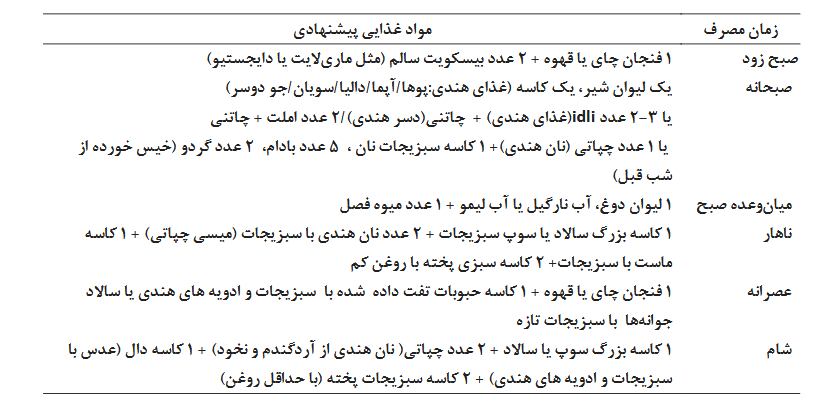
زمان مصرف مواد غذایی پیشنهادی
صبح زود ۱ فنجان چای یا قهوه + ۲ عدد بیسکویت سالم (مثل ماریلایت یا دایجستیو)
صبحانه یک لیوان شیر، یک کاسه (غذای هندی:پوها/آپما/دالیا/سویان/جو دوسر)
یا ۲-۳ عدد idli(غذای هندی) + چاتنی(دسر هندی)/۲ عدد املت + چاتنی
یا ۱ عدد چپاتی (نان هندی)+ ۱ کاسه سبزیجات نان ، 5 عدد بادام، ۲ عدد گردو (خیس خورده از شب قبل)
میانوعده صبح ۱ لیوان دوغ، آب نارگیل یا آب لیمو + ۱ عدد میوه فصل
ناهار ۱ کاسه بزرگ سالاد یا سوپ سبزیجات + ۲ عدد نان هندی با سبزیجات (میسی چپاتی) + ۱ کاسه ماست با سبزیجات+ ۲ کاسه سبزی پخته با روغن کم
عصرانه ۱ فنجان چای یا قهوه + ۱ کاسه حبوبات تفت داده شده با سبزیجات و ادویه های هندی یا سالاد جوانهها با سبزیجات تازه
شام ۱ کاسه بزرگ سوپ یا سالاد + ۲ عدد چپاتی( نان هندی از آردگندم و نخود) + ۱ کاسه دال (عدس با سبزیجات و ادویه های هندی) + ۲ کاسه سبزیجات پخته (با حداقل روغن)
نکات کلیدی:
مصرف آب کافی (۸–۱۰ لیوان در روز)
محدود کردن غذاهای سرخکرده، شیرینی و فستفود
استفاده از روغنهای سالم مانند روغن زیتون یا کنجد
پرهیز از مصرف بیشازحد نمک و شکر
انجام تمرینات یوگا روزانه شامل آساناها، پرانایاما به مدت ۴۵ دقیقه
یوگا و تغذیه در کنترل و پیشگیری از چاقی
چاقی یکی از معضلات اصلی سلامت در جهان امروز است که با افزایش خطر بیماریهای مزمن، مانند دیابت نوع ۲ و بیماریهای قلبی–عروقی، و کاهش کیفیت زندگی همراه میباشد. درمانهای مرسوم معمولاً بر رژیم غذایی و فعالیت بدنی متمرکزند، اما رویکردهای طب کلنگر (Holistic Medcine) همچون یوگا و اصلاح تغذیه، با هدف ایجاد تعادل میان جسم، ذهن و احساسات، جایگاه ویژهای در کنترل و پیشگیری از چاقی یافتهاند.
یوگا، که ترکیبی از حرکات بدنی، تمرینات تنفسی (Pranayama) و مدیتیشن است، نهتنها کالریسوزی و متابولیسم را بهبود میدهد، بلکه با کاهش استرس، تعادل هورمونی و افزایش آگاهی بدنی، به تنظیم رفتارهای تغذیهای نیز کمک میکند. این رویکرد جامع، نمونهای از Holistic Benefits of Yoga است که هم ابعاد فیزیکی و هم روانی سلامت را پوشش میدهد(2).
در یک گزارش موردی، مردی ۳۸ ساله با چاقی شدید (BMI= 44 kg/m²) پس از شرکت در برنامهی منظم یوگای هشتهفتهای شامل حرکات Pawanmuktasana Series-3، تمرینات Nadishodhana Pranayama و تکنیکهای آرامسازی سریع، کاهش وزن قابلتوجهی را تجربه کرد. وزن او از ۱۱۴ به ۱۰۷ کیلوگرم، شاخص توده بدنی از ۴۴ به 3/41و نسبت دور کمر به باسن از 92/0 به 86/0 کاهش یافت. علاوه بر این، کاهش محسوس در سطح استرس و بهبود خلقوخو مشاهده شد که نشاندهنده اثرات روانی مثبت یوگا بر روند کاهش وزن است (3).
به طور کلی، شواهد نشان میدهد که یوگا با رویکردی Holistic، از طریق تأثیر همزمان بر سیستمهای عصبی، هورمونی و متابولیکی، میتواند در کاهش چربی بدن، تنظیم اشتها و بهبود سلامت روان مؤثر باشد. زمانی که این روش با یک الگوی تغذیهای متعادل همراه شود، میتواند ابزاری کارآمد و طبیعی در مدیریت چاقی و پیشگیری از عوارض متابولیکی آن به شمار رود.
3. یوگا، آنتیاکسیدانها و تغذیه ضدالتهابی ( رژیم غذایی مدیترانه ایی)
با توجه به شیوع روزافزون بیماریهای مرتبط با التهاب مزمن و استرس اکسیداتیو از جمله بیماریهای قلبی–عروقی، دیابت نوع دو، و سندرم متابولیک، تمرکز پژوهشهای نوین بر الگوهای تغذیهای ضدالتهابی و سبک زندگی متعادل افزایش یافته است. یکی از الگوهای مهم در این زمینه، هرم غذایی ضدالتهابی مدیترانهای است که در کنار مداخلات ذهن–بدن مانند یوگا، میتواند در کاهش فرآیندهای التهابی و اکسیداتیو نقش چشمگیری ایفا کند.
مطالعات اخیر نشان دادهاند که سبک زندگی سالم شامل رژیم غذایی ضدالتهابی مدیترانهای اثرات قابلتوجهی بر بهبود شاخصهای التهابی، استرس اکسیداتیو و تنظیم آدیپوکاینها در افراد دارای سندرم متابولیک دارد. رژیم مدیترانهای بر مصرف غذاهای غنی از آنتیاکسیدان مانند میوهها، سبزیجات، غلات کامل، روغن زیتون، ماهی و مغزها تأکید دارد و در عین حال مصرف گوشت قرمز، قندهای ساده و چربیهای اشباع را محدود میکند (4). این الگوی غذایی با کاهش تولید سایتوکاینهای التهابی از جمله TNF-α و IL-6 و افزایش ظرفیت آنتیاکسیدانی بدن، بهویژه از طریق فعالیت آنزیمهایی مانند SOD، بهعنوان یک راهکار مؤثر در کاهش التهاب مزمن شناخته میشود. (5) از سوی دیگر، یوگا بهعنوان یک مداخله جامع ذهن–بدن با تأثیر مثبت بر محور هیپوتالاموس–هیپوفیز–آدرنال (HPA)، کاهش استرس روانی، افزایش فعالیت پاراسمپاتیک و بهبود عملکرد سیستم ایمنی، میتواند فرآیندهای التهابی و اکسیداتیو را تنظیم کند (6). در یک کارآزمایی بالینی تصادفیشده با کنترل (RCT) که توسط Yadav و همکاران در سال 2018 در مرکز سلامت جامع دانشگاه علوم پزشکی دهلی انجام شد، 260 فرد مبتلا به سندرم متابولیک به دو گروه مداخله یوگا مبتنی بر سبک زندگی (YBLI) و مداخله تغذیهای (DI) تقسیم شدند. نتایج نشان داد که گروه YBLI پس از 12 هفته، کاهش معناداری در سطوح لپتین، نسبت لپتین به آدیپونکتین،6 IL-، و شاخصهای استرس اکسیداتیو داشتند، در حالیکه سطح آدیپونکتین و SOD افزایش یافت .(7) هرم غذایی ضدالتهابی مدیترانهای، در پایینترین سطح خود شامل میوهها، سبزیجات، غلات کامل و روغن زیتون است؛ در سطوح میانی آن ماهی، لبنیات کمچرب و حبوبات قرار دارند و در رأس هرم مصرف محدود گوشت قرمز و شیرینیها توصیه میشود (8).
این یافتهها بیانگر آن است که ترکیب رژیم غذایی مدیترانهای ضدالتهابی و یوگا نه تنها میتواند از طریق بهبود پروفایل آدیپوکاینی و کاهش التهاب سیستمیک به کنترل سندرم متابولیک کمک کند، بلکه اثر همافزایی میان تغذیه سالم و تمرین ذهن–بدن در کاهش استرس اکسیداتیو را تقویت مینماید.
4 . یوگا، رژیم غذایی DASH و فشار خون بالا
تمرین یوگا که شامل آساناها (حرکات بدنی)، پرانایاما (تنفس کنترلشده) و مدیتیشن است، در مطالعات بهصورت متعددی با کاهش فشار خون سیستولیک و دیاستولیک همراه بوده است. بهعنوان مثال، مرور نظاممند نشان داد میانگین کاهش برای فشار خون سیستولیک حدود 4 تا 6 میلیمتر جیوه بود.(9)
در کنار آن، رژیم غذایی DASH که بر مصرف بیشتر میوهها، سبزیجات، غلات کامل، لبنیات کمچرب و کاهش سدیم تأکید دارد، بهخوبی نشان داده روند کاهش فشار خون را تسریع میکند. در یک متاآنالیز، پیروی از رژیم DASH با کاهش معنیدار فشار خون همراه بود.(10)
ترکیب این دو رویکرد به این صورت عمل میکند: یوگا با کاهش استرس، بهبود تعادل عصبی و افزایش فعالیت پاراسمپاتیک، فشار خون را تحت تأثیر قرار میدهد؛ در حالیکه رژیم DASH با تأمین مواد مغذی و کاهش سدیم، از فشار بر عروق کاسته و عملکرد متابولیک را بهبود می-بخشد.
به طور خلاصه، برای افرادی که با فشار خون بالا مواجه هستند، برنامهای که شامل «روزانه ۳۰ تا ۴۵ دقیقه یوگا» و «پیروی از رژیم DASH» باشد میتواند روشی طبیعی، کمخطر و مؤثر برای کنترل فشار خون و ارتقای سلامت قلبی–عروقی باشد.
5 . یوگا، تغذیه و بیماری دیابت
دیابت نوع 2 (T2DM) یکی از شایعترین بیماریهای مزمن در جهان است که با افزایش سطح گلوکز خون و اختلال در ترشح یا عملکرد انسولین مشخص میشود. مدیریت این بیماری نیازمند رویکردهای چندجانبه شامل اصلاح سبک زندگی، تغذیه سالم و فعالیت بدنی منظم است.
شواهد رو به رشدی نشان میدهند که تمرینات یوگا میتوانند در بزرگسالان مبتلا به T2DMمفید باشند. مرور سیستماتیک کارآزماییهای کنترلشده نشان داده است که برنامههای مبتنی بر یوگا میتوانند کنترل گلیسمی، سطوح لیپید و ترکیب بدنی را بهبود دهند. علاوه بر این، یوگا ممکن است استرس اکسیداتیو و فشار خون را کاهش دهد، عملکرد ریوی و خودمختار را تقویت کند و کیفیت خواب و زندگی بیماران را افزایش دهد. با این حال، به دلیل محدودیتهای روششناختی برخی مطالعات، تحقیقات با کیفیت بالاتر برای تأیید و روشنتر کردن اثرات یوگا ضروری است(11). رژیم غذایی نیز نقش حیاتی در کنترل دیابت دارد و میتواند سطح HbA1cو عملکرد انسولین را بهبود دهد. مطالعات نشان دادهاند که توزیع مناسب ماکرونوترینتها شامل ۳۰٪ چربی، ۴۵–۶۰٪ کربوهیدرات و ۱۵–۳۵٪ پروتئین، برای بیماران دیابتی توصیه میشود. مصرف بیش از حد یا کمتر از این نسبتها میتواند متابولیسم گلوکز را تحت تأثیر قرار دهد. رژیمهای کمچرب و کمکربوهیدرات بیشترین تأثیر را بر کنترل گلیسمی و پارامترهای انسولین دارند، در حالی که رژیمهای کمکالری یا بسیار کمکالری میتوانند سطح گلوکز ناشتا و HbA1c را بهبود بخشند. همچنین، رژیم غذایی سالم، بدون غذاهای فرآوریشده و قند و غنی از فیبر، ویتامینها و مواد معدنی به حفظ قند و لیپید خون در محدوده مطلوب کمک میکند. توجه به مصرف نمک نیز اهمیت دارد؛ اگرچه کاهش مصرف نمک میتواند فشار خون را بهبود دهد، محدودیت شدید آن ممکن است با افزایش مصرف قند همراه باشد (12). ترکیب تمرینات یوگا و رژیم غذایی سالم میتواند یک استراتژی مکمل مؤثر در مدیریت دیابت نوع 2 باشد. این رویکرد نه تنها کنترل گلیسمی و سطح لیپیدها را بهبود میبخشد، بلکه بر سلامت روان، کیفیت زندگی و کاهش مصرف دارو نیز تأثیر مثبت دارد.
6. نقش یوگا , رژیم غذایی MIND و آلزایمر
دمانس و بهویژه بیماری آلزایمر (AD) از چالشهای بزرگ سلامت سالمندان است و با کاهش شناختی، اختلال حافظه و تغییرات رفتاری، کیفیت زندگی بیماران و مراقبان را بهطور قابلتوجهی تحت تأثیر قرار میدهد (13) . درمانهای دارویی موجود، تسکین محدودی ارائه میدهند و از این رو، مداخلات غیر دارویی مانند رژیم غذایی سالم و تمرینات ذهنی-بدنی مورد توجه قرار گرفتهاند.
یکی از رویکردهای مؤثر، رژیم غذایی MIND است که ترکیبی از رژیم مدیترانهای و DASH به منظور تأخیر در کاهش شناختی طراحی شده است. این رژیم مصرف سبزیجات برگ سبز، توتها، غلات کامل، ماهی، مرغ و روغن زیتون را تشویق و مصرف گوشت قرمز، کره، پنیر، شیرینی و فستفودها را محدود میکند. مطالعه Morris و همکاران (2015) نشان داد که افراد با بالاترین پیروی از رژیم MIND، خطر ابتلا به آلزایمر را تا ۵۳٪ کاهش میدهند (14). مطالعات کوهورت و متاآنالیز اخیر نیز تأیید کردند که پیروی بیشتر از این رژیم با کاهش خطر دمانس مرتبط است (15 ). این اثرات احتمالاً از طریق کاهش استرس اکسیداتیو، التهاب و بهبود سلامت عروقی مغز اعمال میشوند. علاوه بر تغذیه، تمرینات ذهنی-بدنی مانند یوگا نیز به عنوان مداخله محافظ عصبی بررسی شدهاند. مطالعه Krause-Sorio و همکاران (2022) نشان داد که ۱۲ هفته یوگا شامل Kundalini Yoga و Kirtan Kriya در زنان سالمند با کاهش شناختی ذهنی و عوامل خطر قلبی-عروقی، مانع تحلیل ماده خاکستری مغز شد و حجم هیپوکامپ و نواحی کلیدی مغز در گروه یوگا نسبت به گروه آموزش حافظه افزایش یافت (16). به بیان دیگر، یوگا میتواند با کاهش اضطراب، استرس و افسردگی و افزایش تابآوری، انعطافپذیری عصبی و عملکرد شناختی، روند تحلیل عصبی را آهسته کند. مرور انتقادی Brown و) Bayley 2024 ( نیز نشان داد که یوگا علاوه بر بهبود عملکرد شناختی، اثرات نوروپروتکتیو و ضدالتهابی دارد و تغییرات مثبت در خلق و خو و رفتار سالمندان مبتلا به آلزایمر ایجاد میکند. با این حال، آنها تأکید کردند که مطالعات بیشتری با کارآزماییهای کنترلشده تصادفی، نمونههای بزرگتر و پروتکلهای استاندارد لازم است تا اثرات بلندمدت یوگا بر پیشرفت AD مشخص شود (13).
در نتیجه، ترکیب رژیم غذایی MIND با تمرینات منظم یوگا ممکن است بهطور همافزا خطر ابتلا به آلزایمر را کاهش دهد و روند پیشرفت آن را کند کند. این دو رویکرد از طریق مسیرهای مشترک شامل کاهش التهاب و استرس اکسیداتیو، بهبود سلامت عروقی و افزایش انعطافپذیری عصبی عمل میکنند و میتوانند بخشی از یک سبک زندگی جامع سالمندی برای پیشگیری و مدیریت بیماریهای عصبی-تخریبی باشند.
هیدراتاسیون: راز انرژی، تمرکز و انعطافپذیری در یوگا
یوگیها همیشه اهمیت هماهنگی ذهن، بدن و روح را میدانند، اما هیدراتاسیون مناسب کلید دستیابی به این هماهنگی است. بدن انسان حدود ۶۰٪ آب دارد و عملکرد هر سیستم آن به این عنصر حیاتی وابسته است. کمآبی میتواند باعث سفتی عضلات، کاهش انعطافپذیری، افت انرژی، مه مغزی و کندی بازیابی عضلات شود. بنابراین نوشیدن آب کافی قبل و بعد از یوگا و توجه به جایگزینی الکترولیتها برای عملکرد بهینه ضروری است. در شرایط خاص مانند HOT YOGA، آبرسانی وریدی میتواند مکملی برای حفظ تعادل مایعات باشد و به ریکاوری سریعتر کمک کند (17)
در آیورودا و تمرینهای سنتی یوگا، نوشیدن آب در حین تمرین توصیه نمیشود، زیرا میتواند تمرکز و جریان انرژی را مختل کند. بهتر است قبل از یوگا بدن را با آب آماده کرده و پس از تمرین برای جایگزینی مایعات از دست رفته، آب، چای یا آب غنیشده با الکترولیت مصرف کنید. در صورت تشنگی در طول تمرین، یک جرعه آب کافی است، اما نباید نوشیدن آب باعث حواسپرتی یا ناراحتی معده شود. (18) مطالعهای روی 21 شرکتکننده در HOT YOGA نشان داد که حتی با دسترسی آزاد به مایعات، بسیاری از افراد میزان مصرف کافی نداشتند و حدود نیمی از آنها حداقل ۱٪ از وزن بدن خود را در طول کلاس از دست دادند. همچنین شرکتکنندگان میزان تعریق واقعی خود را کمتر از حد تصور تخمین زدند. این نتایج نشاندهنده تنوع فردی در مدیریت هیدراتاسیون و نیاز به راهنمایی شخصیسازیشده برای جایگزینی آب و الکترولیتها است. (19) آبرسانی نه تنها به بدن انرژی و ریکاوری میدهد، بلکه بر مغز و تمرکز نیز اثر مستقیم دارد. حتی کمآبی خفیف میتواند حافظه، توجه و هوشیاری در طول تمرین را کاهش دهد. مصرف کافی مایعات به تنظیم سطح کورتیزول، هورمون استرس بدن، کمک میکند و باعث کاهش استرس و پرورش ذهنیت آرام و روشن میشود. به عبارت دیگر، نوشیدن آب به اندازه حرکات یوگا برای رسیدن به تمرین جامع و هماهنگ بدن و ذهن اهمیت دارد. (20)
نقش یوگا در پیشگیری و درمان اختلالات خوردن
اختلالات خوردن از جمله بیاشتهایی عصبی، پرخوری عصبی و اختلال پرخوری افراطی از جمله اختلالات پیچیده روانپزشکی هستند که عوامل زیستی، روانی و اجتماعی متعددی در بروز آنها نقش دارند. در سالهای اخیر، روشهای مکمل و ذهن–بدنی مانند یوگا توجه فزایندهای را به خود جلب کردهاند، زیرا یوگا با ترکیب حرکات بدنی، تمرکز بر تنفس و ذهنآگاهی، رویکردی جامع برای بهبود آگاهی بدنی، تنظیم هیجان و افزایش خودپذیری ارائه میدهد.
شواهد پژوهشی نشان میدهند که یوگا میتواند در بهبود سلامت روانی و کاهش نشانههای اختلالات خوردن نقش مؤثری داشته باشد. در یک کارآزمایی تصادفی–کنترلشده در میان بیماران بستری مبتلا به اختلالات خوردن، شرکت در جلسات یوگا به مدت یک ساعت پیش از شام به مدت پنج روز، بهطور معناداری باعث کاهش هیجان منفی قبل از وعده غذایی در مقایسه با درمان معمول شد که این امر بیانگر نقش یوگا در تنظیم پریشانی هیجانی مرتبط با رفتار خوردن است (21). از سوی دیگر، مداخلات مبتنی بر ذهنآگاهی که از نظر مفهومی با یوگا همپوشانی دارند نیز موجب کاهش چشمگیر رفتارهای پرخوری شدهاند. یک مرور نظاممند و فراتحلیل شامل ۱۹ مطالعه نشان داد که این مداخلات اثرات درونگروهی بزرگ و بینگروهی متوسط تا زیاد بر کاهش علائم پرخوری دارند، که نشانگر بهبود بالینی قابل توجه در گروههای مختلف است (22). همچنین در یک مرور و فراتحلیل جامع شامل ۴۳ مطالعه (۱۱ کارآزمایی تصادفی–کنترلشده)، مشخص شد که مداخلات مبتنی بر یوگا تأثیر کوچک اما معناداری بر آسیبشناسی کلی اختلالات خوردن، تأثیر متوسط تا زیاد بر پرخوری و بولیمیا، و تأثیر کم بر نگرانیهای مربوط به تصویر بدن دارند. جالب آنکه یوگا تأثیر معناداری بر محدودیت غذایی نداشت، که نشان میدهد اثر اصلی آن بیشتر بر بهبود ارتباط ذهن و بدن و کاهش آشفتگی هیجانی متمرکز است تا کنترل خوردن (23). بهطور کلی، یافتهها حاکی از آن است که یوگا میتواند بهعنوان روشی مکمل، در تقویت حس مثبت نسبت به بدن، کاهش هیجانات منفی و حمایت از پیشگیری و درمان اختلالات خوردن مؤثر باشد. ادغام یوگا در چارچوبهای درمانی چندرشتهای ممکن است به بهبود پیامدهای روانشناختی، افزایش شفقت به خود و ایجاد رابطهای سالمتر با بدن و غذا کمک کند (24).
نتیجهگیری و توصیههای کاربردی برای انستیتو یوگا
ترکیب یوگا با تغذیه متعادل و آگاهانه یک رویکرد جامع و علمی برای ارتقای سلامت جسمی، روانی و متابولیکی است. تمرینات یوگا با افزایش انعطافپذیری، بهبود عملکرد قلب و عروق، کاهش استرس و تعادل هورمونی، پایهای مؤثر برای پیشگیری از بیماریهای مزمن مانند چاقی، دیابت , فشار خون بالاو…. فراهم میکند. از سوی دیگر، رعایت اصول تغذیه سالم شامل مصرف میوهها، سبزیجات تازه، غلات کامل و منابع پروتئینی کمچرب، به حفظ تعادل انرژی و کاهش التهاب در بدن کمک مینماید. تغذیه آگاهانه نیز با تقویت ارتباط ذهن و بدن، از پرخوری هیجانی و عادات ناسالم غذایی جلوگیری میکند.
با این حال، نبود برنامهریزی منظم، انتخاب نادرست نوع یوگا یا رژیم غذایی، و عدم آگاهی کافی از نیازهای فردی میتواند باعث خستگی، آسیب عضلانی یا کمبود مواد مغذی شود. بنابراین، اجرای این رویکرد باید تحت نظر معلمین یوگا و متخصصان تغذیه و رژیم درمانی انجام گیرد. انستیتو یوگا میتواند با برگزاری کارگاههای تلفیقی یوگا، مدیتیشن و آموزش تغذیه سالم، نقش مؤثری در توانمندسازی هنرجویان ایفا کرده و سبک زندگی آگاهانه و پایدار را در جامعه ترویج دهد.
منابع:
- Sorout J, Kacker S, Saboo N, Kumar M. Yoga and nutritional therapies for promoting health-related quality of life in persons with metabolic syndrome—An interventional observational study. Journal of Family Medicine and Primary Care. 2024. https://doi.org/10.4103/jfmpc.jfmpc_1845_23
- Singh V, Shah SR. Holistic benefits of yoga: A dual approach to cardiovascular health and obesity control. Int J Yoga Allied Sci. 2025;14(1):118–130
- Kumar S, Palanisamy M, Arumugam V, Balakrishnan A, Ramesh V, Sathya A, et al. Effect of an integrated yoga regimen on managing obesity: A case report. J Family Med Prim Care. 2024;13(2):452–456. doi:10.4103/jfmpc.jfmpc_1389_23
- Estruch R, Ros E, Salas-Salvadó J, et al. Primary prevention of cardiovascular disease with a Mediterranean diet. N Engl J Med. 2013;368(14):1279–1290.
- Sureda A, Bibiloni MM, Julibert A, et al. Adherence to the Mediterranean diet and inflammatory markers. Nutrients. 2018;10(1):62.
- Ross A, Thomas S. The health benefits of yoga and exercise: a review of comparison studies. J Altern Complement Med. 2010;16(1):3–12.
- Yadav R, Yadav RK, Khadgawat R, Pandey RM. Comparative efficacy of a 12-week yoga-based lifestyle intervention and dietary intervention on adipokines, inflammation, and oxidative stress in adults with metabolic syndrome: a randomized controlled trial. Transl Behav Med. 2018;8(5):675–685. doi:10.1093/tbm/iby060.
- Davis C, Bryan J, Hodgson J, Murphy K. Definition of the Mediterranean diet; a literature review. Nutrients. 2015;7(11):9139–9153.
- Hagins M, States R, Selfe T, Innes K. Effectiveness of yoga for hypertension: systematic review and meta-analysis. Evid Based Complement Alternat Med. 2013;2013:649836. doi: 10.1155/2013/649836
- Filippou CD, Tsioufis CP, Thomopoulos CG, Mihas CC, Dimitriadis KS, Sotiropoulou LI, et al. Dietary Approaches to Stop Hypertension (DASH) diet and blood pressure reduction in adults with and without hypertension: a systematic review and meta-analysis of randomized controlled trials. Adv Nutr. 2020;11(5):1150-60. doi: 10.1093/advances/nmaa041
- Innes KE, Selfe TK. Yoga for adults with type 2 diabetes: a systematic review of controlled trials. J Diabetes Res. 2016;2016:6979370. doi:10.1155/2016/6979370.
- Al-Adwi ME, Al-Haswsa ZM, et al. Effects of different diets on glycemic control among patients with type 2 diabetes: A literature review. Int J Food Sci Nutr. 2022; DOI: 10.1177/02601060221112805.
- Brown A, Bayley PJ. The Therapeutic Potential of Yoga for Alzheimer’s Disease: A Critical Review. J Alzheimers Dis. 2024;101(s1):S521–S535. doi:10.3233/JAD-240719
- Morris MC, Tangney CC, Wang Y, Sacks FM, Bennett DA, Aggarwal NT. MIND Diet Associated with Reduced Incidence of Alzheimer’s Disease. Alzheimers Dement. 2015 Sep;11(9):1007–1014. doi:10.1016/j.jalz.2014.11.009
- Chen H, Dhana K, Huang Y, et al. Association of the Mediterranean dietary approaches to stop hypertension intervention for neurodegenerative delay (MIND) diet with the risk of dementia. JAMA Psychiatry. 2023; Published online May 3, 2023. doi:10.1001/jamapsychiatry.2023.0800
- Krause-Sorio B, Siddarth P, Kilpatrick L, Milillo MM, et al. Yoga Prevents Gray Matter Atrophy in Women at Risk for Alzheimer’s Disease: A Randomized Controlled Trial. J Alzheimers Dis. 2022;87:569–581. doi:10.3233/JAD-215563
- Bright IV Team. Flow Like Water: Optimizing Hydration for Peak Yoga Practice (and Beyond) [Internet]. Bright IV; 2025 Mar 4 [cited 2025 Nov 8]. Available from: https://www.brightiv.com/blog/optimizing-hydration-for-peak-yoga-practice
- Mountain Yoga Sandy. Proper Hydration for Yoga Practice [Internet]. Mountain Yoga Sandy; 2025 [cited 2025 Nov 8]. Available from: https://mountainyogasandy.com/properhydration/?utm_source=chatgpt.com
- Campbell S, Pritchett R, Cederburg K, Burnham T, Pritchett K. Fluid Intake and Sweat Rate During Hot Yoga Participation. Int J Exerc Sci. 2017;10(5):721–733.
- Evolation Yoga. Making Hydration Part of Your Yoga Practice [Internet]. Evolation Yoga; 2024 Jul 8 [cited 2025 Nov 8]. Available from: https://evolationyoga.com/blog/2024/7/8/making-hydration-part-of-your-yoga-practice?utm_source=chatgpt.com
- Pacanowski CR, Diers L, Crosby RD, Neumark-Sztainer D. Yoga in the treatment of eating disorders within a residential program: A randomized controlled trial. Eat Disord. 2016;25(1):37–51. doi:10.1080/10640266.2016.1237810
- Godfrey KM, Gallo LC, Afari N. Mindfulness-based interventions for binge eating: A systematic review and meta-analysis. J Behav Med. 2015;38(2):348–362. doi:10.1007/s10865-014-9610-5
- Cook-Cottone C, Cox AE, Neumark-Sztainer D, Tylka TL. Yoga for Positive Embodiment in Eating Disorder Prevention and Treatment. 1st ed. Routledge; 2021. doi:10.4324/9781003201731
- Neumark-Sztainer D, et al. Yoga-based interventions for eating disorder prevention and treatment: A meta-analytic review. Eat Behav. 2020;37:101391. doi:10.1016/j.eatbeh.2020.101391